
Physical education is one of the most commonly overlooked subjects in homeschooling — and one of the most important. While homeschool families invest tremendous energy in math, language arts, and science, PE often gets reduced to ‘free time outside.’ But a thoughtful, intentional approach to physical education builds far more than fitness. It develops coordination, teamwork, discipline, mental health, and lifelong habits of movement. This guide will help you design a genuinely excellent homeschool PE program.
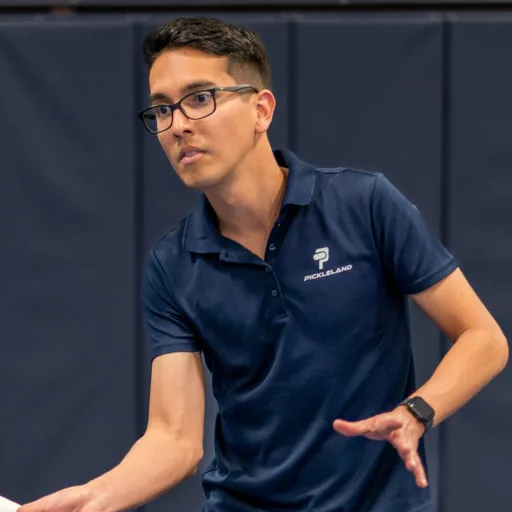
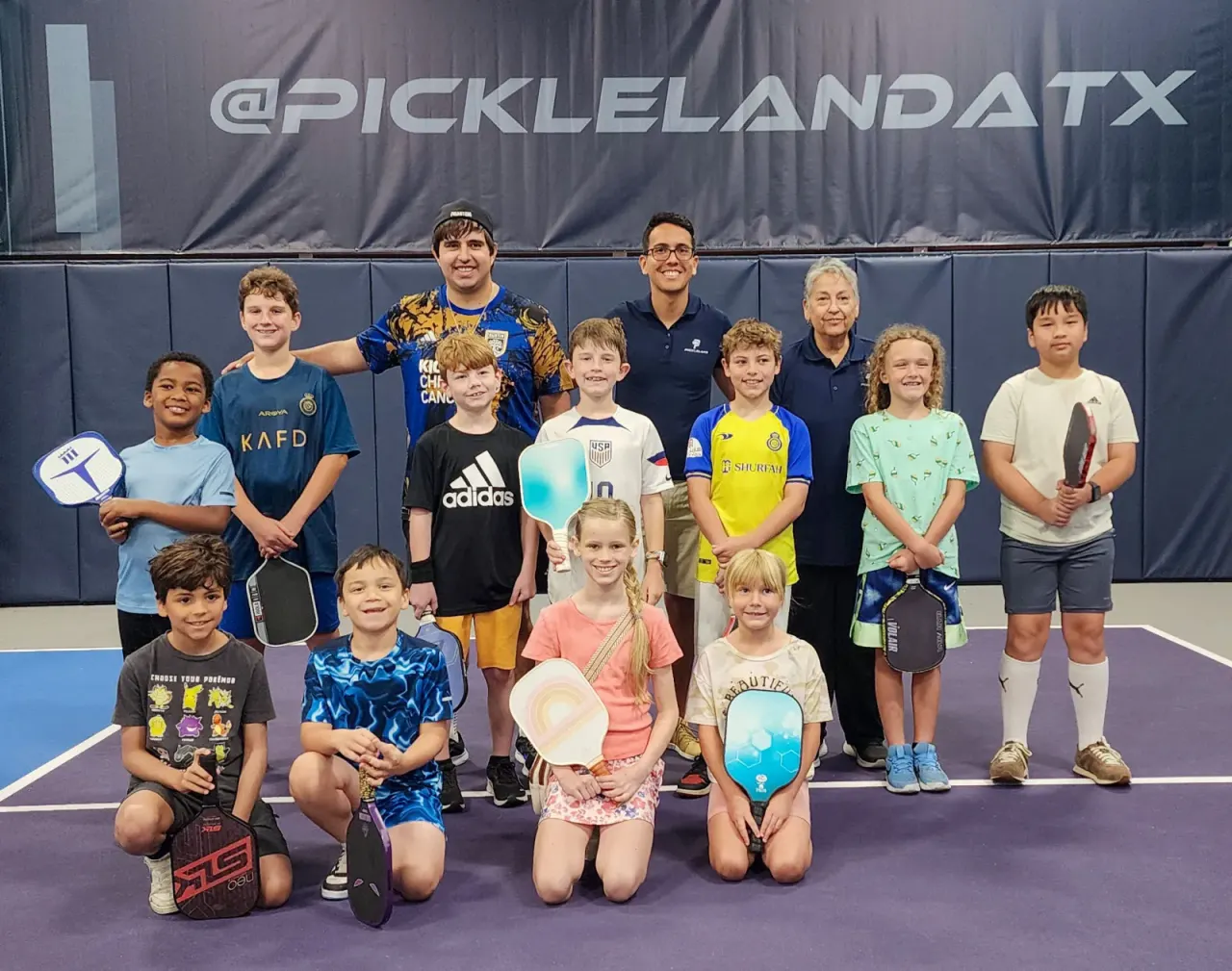
Your kid has energy. We have paddles. 🎉 Homeschool PE just got a serious upgrade — Pickleland’s Homeschool Pickleball Open Play is the most fun your family will have on a Tuesday or Thursday afternoon. Come see what the buzz is about.
Why Homeschool PE Matters
Research consistently shows that regular physical activity improves academic performance, focus, and emotional regulation in children. Movement stimulates neurological development, reduces anxiety, and helps children process and retain information. For homeschoolers, who may spend more seated time than traditional students, intentional PE is especially important. The goal isn’t to replicate a gym class — it’s to help each child discover physical activities they love and build a foundation for a healthy life.
Setting PE Goals by Age
Elementary-age children (K–5) benefit most from fundamental movement skills: running, jumping, throwing, catching, balancing, and coordination games. The focus should be fun, exploration, and trying many different activities. Middle schoolers (grades 6–8) are ready for more structured skill development and can begin exploring team sports, individual pursuits, and fitness concepts. High schoolers should be working toward genuine fitness literacy — understanding how to train, set goals, track progress, and care for their bodies. They can earn PE credit through structured programs, sports teams, or documented independent training.
Building a Weekly PE Schedule
Aim for at least 60 minutes of moderate-to-vigorous physical activity per day for children ages 6–17, consistent with CDC guidelines. This doesn’t have to be a single PE class — it can be broken up throughout the day. A practical weekly structure might include three days of structured skill or sport development, one day of free active play, and one day for longer outdoor activity like hiking or biking. Flexibility is one of homeschooling’s strengths — schedule PE at the time of day your child has the most energy.
Sport and Activity Options for Homeschoolers
The menu of PE options for homeschoolers is broader than many families realize. Traditional options include soccer, basketball, baseball, softball, tennis, swimming, gymnastics, and martial arts. Many of these are available through local leagues, YMCAs, and community recreation centers that welcome homeschoolers. Beyond the classics, consider less common but excellent options: fencing, archery, rock climbing, trail running, rowing, pickleball, disc golf, and cycling. Pickleball in particular has exploded in popularity and is ideally suited to homeschoolers — it’s quick to learn, suitable for all ages, encourages social interaction, and develops hand-eye coordination, strategy, and agility. Many cities now offer dedicated homeschool pickleball programs.
Pickleball for Homeschoolers
Pickleball is one of the fastest-growing sports in America, and for good reason. It combines elements of tennis, ping-pong, and badminton in a compact court that’s easy to set up and play. For homeschoolers, it checks every box: accessible to beginners, scalable to competitive play, highly social, and a genuine workout. Programs designed specifically for the homeschool community provide structured skill instruction, regular open play, and opportunities to meet other homeschooling families. In Austin, programs at facilities like Pickleland offer dedicated homeschool open play sessions that fit perfectly into a midweek schedule.
Fitness Literacy: Teaching the ‘Why’ of Exercise
Great PE doesn’t just move bodies — it builds understanding. Teach children the components of fitness: cardiovascular endurance, muscular strength, flexibility, and body composition. Introduce concepts like warm-up and cool-down routines, how to check heart rate, the difference between aerobic and anaerobic exercise, and the importance of sleep and nutrition for athletic performance. Older students can keep a fitness journal, set personal goals, and learn to design their own training routines. This knowledge empowers them to stay active throughout their lives.
Dance, Yoga, and Mind-Body Activities
Physical education shouldn’t be limited to competitive sports. Dance — from ballet to hip-hop to folk traditions — develops rhythm, spatial awareness, coordination, and cultural literacy. Yoga builds flexibility, body awareness, breath control, and mindfulness. Tai chi and similar practices connect movement with mental focus. These activities are especially valuable for children who don’t thrive in competitive environments, offering a different kind of physical challenge and self-expression.
Tracking Progress and Awarding Credit
For high school students, PE can and should count toward transcript credit. Document activities with a simple log noting type of activity, duration, and any skill benchmarks achieved. Many states allow homeschoolers to earn PE credit through community sports teams, structured classes, or documented independent training programs. Check your state’s homeschool regulations, and keep records throughout the year. A portfolio showing consistent, varied physical activity demonstrates genuine engagement far better than a single fitness test.
Making PE Social
One of the richest benefits of group physical activity is social development. Cooperative games, team sports, and shared physical challenges teach children to communicate, support teammates, handle winning and losing graciously, and persist through difficulty. Seek out homeschool PE co-ops, community sport leagues, group fitness classes, and open play programs in your area. The friendships formed through shared physical activity often become some of the most meaningful in a child’s life.
A well-designed homeschool PE program is one of the greatest gifts you can give your child. It builds healthy bodies, confident movers, and young people who understand that physical wellbeing is a lifelong practice — not just a grade on a report card.