
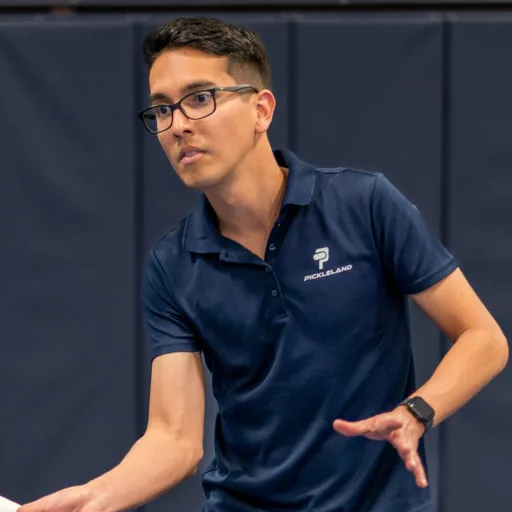
Your 30s hit differently. The wild, spontaneous social life of your 20s starts to slow down — people are pairing off, having kids, climbing career ladders, and suddenly, Friday nights at a bar don’t carry the same appeal they once did. You still want connection, fun, and a sense of belonging, but the how has changed.
The good news? Your 30s can actually be the most socially rich decade of your life — if you know where to look. And increasingly, people are finding exactly what they need on the pickleball court.
Why Social Life Gets Harder in Your 30s
Let’s be real about it. Making friends in your 30s is genuinely difficult. Friendships built in school were effortless because you were thrown together by circumstance — same dorm, same class, same sports team. In your 30s, those structures disappear. You have to work for it.
Add to that the fact that many people in their 30s are dealing with relationship demands, career stress, maybe early parenthood, and the general compression of free time — and it’s no surprise that loneliness is actually rising in this age group. Studies consistently show that adults in their 30s report fewer close friendships than they had in their 20s.
What works for building social connection in your 30s is shared activity. Repeated exposure in a context where you’re doing something together, not just talking. And that’s exactly what sports — and pickleball in particular — provide.
Why Pickleball Is Perfect for Your 30s
It’s Easy to Learn, Hard to Master
Unlike tennis, which can take months before you’re having a real rally, pickleball is accessible from day one. Most first-timers are playing actual points within an hour. That low barrier to entry means you can invite friends who’ve never held a paddle, and everyone has fun immediately. But there’s enough depth and strategy to keep competitive players engaged for years.
It’s Built for Socializing
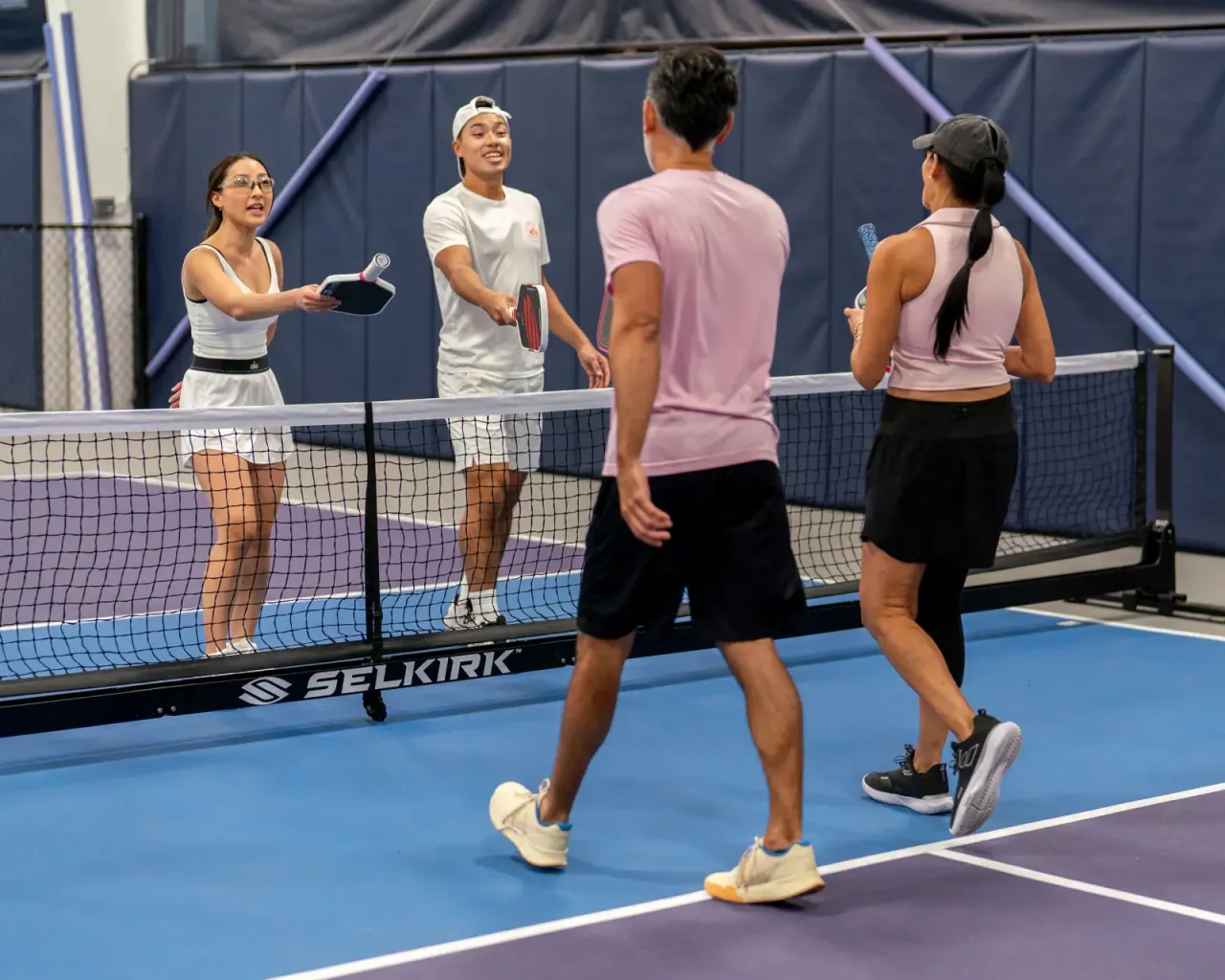
Pickleball is almost always played in doubles. The court is smaller. You’re closer to your opponents. The back-and-forth of dinking rallies creates natural moments for banter, laughter, and connection. After points, players often chat across the net. Between games, people rotate partners in “open play” — meaning in one session, you might meet and play with 10 different people.
The Community Is Genuinely Welcoming
The pickleball community has a reputation — well-earned — for being warm, friendly, and inclusive. Whether you show up as a beginner or an experienced player, the culture is one of encouragement. That’s rare in sports and priceless for someone trying to build new social connections.
It Fits Your Schedule
Early morning sessions before work. Lunch hour pick-up games. Weekend tournaments. Pickleball is played in time slots that work for adults with real responsibilities. Many facilities, including Pickleland in Austin, offer open play at times designed specifically for working adults.
It Keeps You Healthy While You Socialize
The genius of pickleball as a social activity is that you’re also getting legitimate cardio and full-body movement without it feeling like exercise. In your 30s, when finding time to work out feels like a scheduling miracle, pickleball kills two birds with one stone.
Other Great Social Activities in Your 30s
Pickleball might be our personal favorite (we’re a little biased), but it’s part of a broader ecosystem of activities that work well for social connection in this decade:
Group Fitness Classes — Yoga, CrossFit, or group cycling create routine accountability and social bonding through shared effort. The problem is they don’t always lead to genuine conversation. Pickleball does.
Recreational Sports Leagues — Softball, soccer, bowling, volleyball leagues all provide that repeated-exposure element. Many cities have adult recreational leagues specifically designed for 30-somethings.
Cooking or Mixology Classes — Great for smaller, more intimate social settings. Paired well with pickleball if you want to balance competitive and creative activities.
Book Clubs and Interest Groups — Low-activity, high-conversation options. Perfect if you want intellectual connection in a relaxed setting.
Volunteering — Consistent volunteering with an organization puts you in regular contact with purpose-driven people. Studies show volunteering is one of the most reliable ways to build meaningful friendships in adulthood.
Trivia Nights and Game Nights — Regular weekly events with a fixed group create the kind of routine that deepens friendships over time.
Making the Most of Pickleball as a Social Tool
The secret is consistency. Don’t just show up once — commit to a regular schedule. Many players find that after 4-6 weeks of regular open play at the same facility, they’ve built a recognizable face-value community of people who genuinely look forward to seeing them.
Challenge yourself to introduce yourself to one new person every session. Ask about someone’s background, their skill level journey, or their favorite shot to practice. Pickleball players love talking pickleball.
Consider joining a league. Pickleland offers leagues and DUPR-rated events that put you in structured competition with consistent groups of players — exactly the kind of repeated, meaningful contact that builds lasting friendships.
Austin Is the Perfect City for Pickleball Socializing
Austin’s combination of active outdoor culture, warm weather, and fast-growing population (many of them 30-somethings new to the city) makes it one of the best places in America to build a social life around pickleball. Courts are expanding rapidly, the community is vibrant, and facilities like Pickleland are at the heart of it all.
Whether you just moved here, feel like your social circle has shrunk, or simply want more active fun in your life, pickleball offers an on-ramp to community that very few activities can match. Your 30s don’t have to be the decade you retreated socially. They can be the decade you built your best social life yet — one dink at a time.