
Few shots separate beginners from seasoned players quite like the third shot drop. It’s the moment the serving team flips the script — turning a defensive scramble at the baseline into a controlled march toward the net, where points are won. Land it softly in the kitchen and you force your opponents to hit upward; miss it and you hand them an easy put-away.
The good news? The third shot drop is a learnable skill, not raw talent. In this guide, we’ll break down the footwork, technique, drills, and mental habits that turn an inconsistent drop into one of the most reliable weapons in your game.
1. Understanding the Importance of the Third Shot Drop
The third shot drop is played after the return of serve and is often used by the serving team to regain control and establish a position near the net. It’s a soft shot designed to land in the non-volley zone (or “kitchen”), forcing your opponents to hit upward, giving you and your partner a chance to move up to the net and take a more advantageous position.
By neutralizing your opponent’s power and putting them on the defensive, a well-executed third-shot drop can transform the dynamic of the game. This shot requires touch, control, and finesse, making it challenging to master, but once you do, it becomes an invaluable weapon in your pickleball arsenal.
2. Footwork
Good footwork is the foundation of any successful pickleball shot, and the third-shot drop is no exception. Your ability to position yourself correctly before executing the drop shot is crucial.
The moment your opponent returns the serve, you need to be in a balanced stance with your knees slightly bent and your weight centered. This allows for quick adjustments and smooth movement into the perfect position to execute the shot.
Incorporating footwork drills into your practice is essential. For instance, practicing split steps and lateral movements will help you transition from the baseline to the kitchen line, enabling better positioning for your third shot drop. Agility exercises, like cone drills or ladder drills, can also enhance your foot speed, allowing you to move more efficiently across the court during play.
3. Mastering the Technique
The third shot drop is all about precision and control. The key to hitting a perfect drop shot is to create a soft arc that barely clears the net and lands softly in the kitchen.
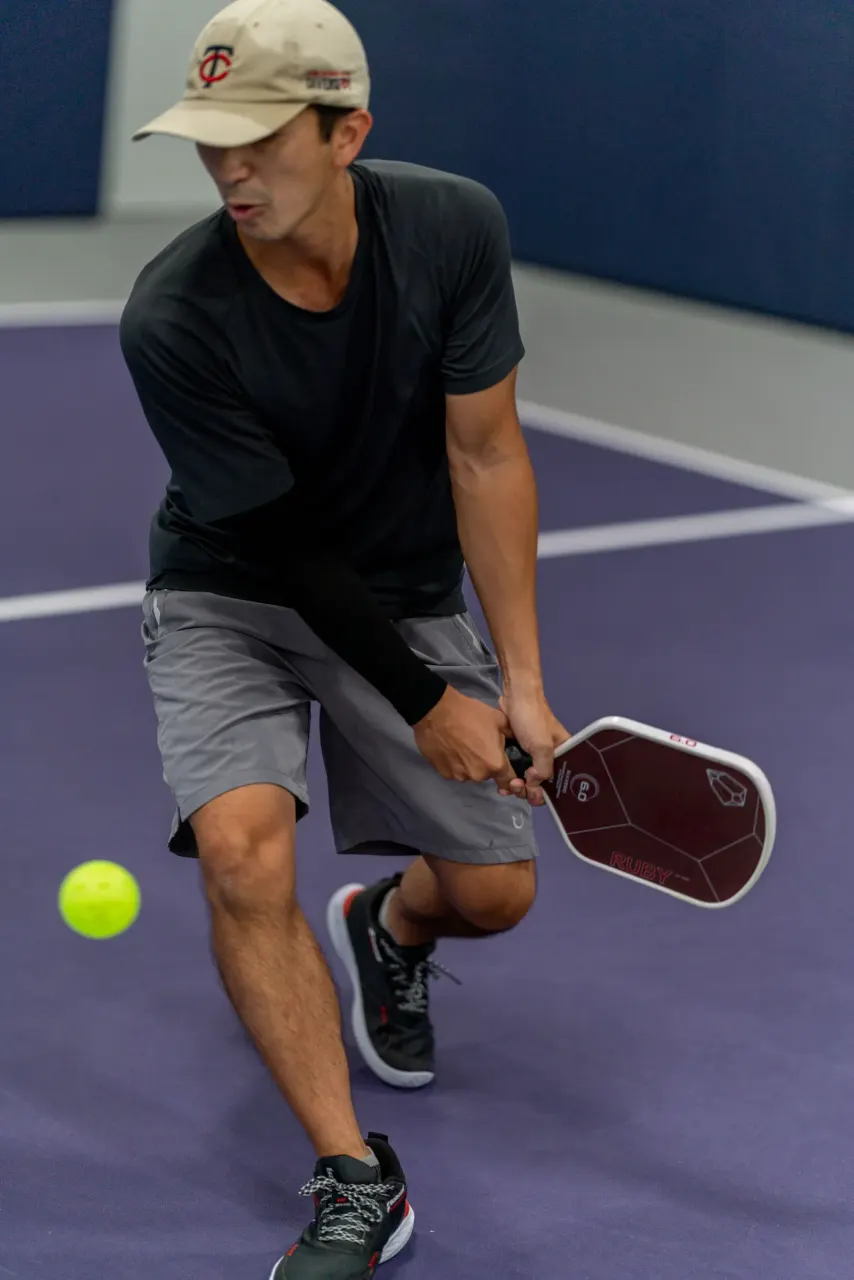
To master this technique, keep your paddle face open with a slight angle and focus on a smooth, controlled swing. Avoid using excessive force, as this can send the ball too high or too deep, giving your opponent an opportunity to smash it back. Instead, focus on finesse and consistency.
One common mistake players make is rushing the shot. It’s important to take your time, ensuring you make clean contact with the ball. By patiently setting up the shot, you’ll be able to deliver a well-placed drop that forces your opponent to hit upward, giving you the upper hand.
4. Drills to Improve Your Third Shot Drop
Drills are an excellent way to practice and perfect your third shot drop. Consistent repetition will help you build muscle memory and develop a feel for the shot. Here are some drills to incorporate into your practice:
Third Shot Drop Practice Drill
This is one of the most effective drills for mastering this shot. One player feeds a variety of balls from different positions, and the other practices executing the third shot drop. After a set number of shots, switch roles. This drill helps refine both offensive and defensive drop shots under different conditions
Crosscourt Drop Drill
Position yourself on one side of the court and have your partner on the other side. Hit crosscourt drop shots to each other, aiming for the kitchen. This drill improves your accuracy and touch, helping you land your drops consistently in the non-volley zone.
Shadow Drilling
This drill helps with movement and footwork without involving a ball. Mimic the motions of the third shot drop by practicing your footwork and positioning. By repeating these movements, you train your body to move instinctively during a match.
5. Positioning and Transitioning
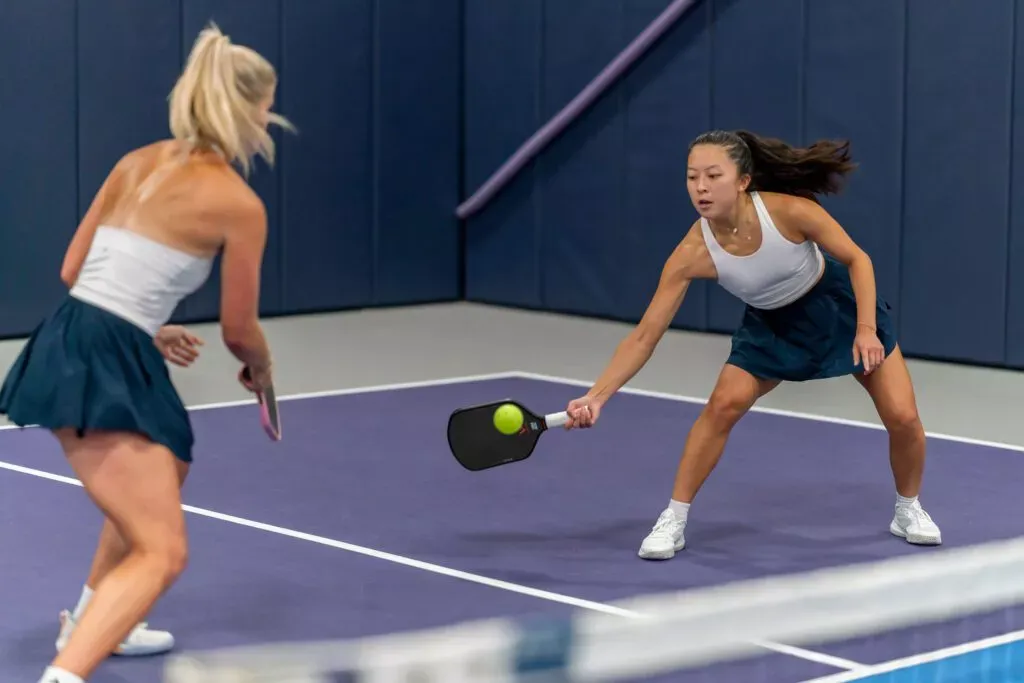
After executing the third shot drop, you must transition quickly from the baseline to the net. Positioning is key to taking control of the point. If your drop shot is successful, you and your partner should move toward the net to establish dominance at the kitchen line.
Agility and coordination drills can help you transition effectively after hitting the third shot drop. Practice moving from the baseline to the kitchen with quick, deliberate steps. Maintaining a low, balanced stance will allow you to adjust your position rapidly, enabling you to respond to any return from your opponents.
6. Common Mistakes to Avoid
Even experienced players can make mistakes when executing the third shot drop. Here are some common errors to avoid:
Rushing the Shot
Players often rush to get the shot off quickly, sacrificing accuracy for speed. The third shot drop is about finesse, not power. Take your time to set up properly before hitting the shot.
Neglecting Height Control
A common issue is hitting the shot either too high or too low. A drop shot that’s too high gives your opponents an easy smash, while one that’s too low risks hitting the net. Practice fine-tuning the height of your shot to create the perfect soft arc.
Lack of Variety
If you consistently hit the same type of third-shot drop, your opponents will begin to anticipate it. Add variety by changing the angle, spin, and speed of your drops to keep your opponents guessing.
7. Mental Preparation and Patience
Executing a third shot drop requires mental focus and patience. It’s easy to get caught up in the pace of the game and rush the shot, but a successful drop shot requires you to stay calm and composed. Patience is particularly important in higher-level play, where opponents are quick and can read your movements.
Remember, the goal of the third shot drop is not to win the point outright but to neutralize your opponent’s power and allow you to move to the net. Patience and consistency will go a long way in executing this shot successfully.
8. Incorporating the Third Shot Drop into Your Overall Game Strategy
While the third shot drop is a powerful tool, it’s just one aspect of a well-rounded pickleball strategy. To maximize its effectiveness, integrate it with other shots like the dink, drive, and lob. Mixing up your shots will keep your opponents on their toes and prevent them from predicting your next move.
For instance, after hitting a successful third-shot drop, you can transition into a dink exchange, further controlling the pace and positioning of the game. Understanding when to use the third shot drop and how it fits into your overall strategy is key to becoming a more versatile player.
Improve Your Third Shot Drop
Improving your third shot drop requires a combination of technique, footwork, positioning, and mental focus. By consistently practicing drills, refining your footwork, and avoiding common mistakes, you can turn this critical shot into a reliable weapon.
Remember, the third shot drop is not just about neutralizing your opponent’s power but also about setting yourself up for success at the net. With dedication and patience, you can elevate your pickleball game to new heights.
Check out our other pickleball resources that will help you ace the game!
- Top Pickleball Drills For Skill Improvement: Serving, Dinking, And Fast Hands
- How To Prepare For Your First Pickleball Tournament?
- How To Be A Better Pickleball Teammate?
FAQs
1. In Pickleball, what is the third shot drop?
The third shot drop is a strategic shot used in pickleball that occurs after the serve and returns. Its purpose is to softly place the ball into the opponent’s non-volley zone, making it challenging for them to attack and allowing you to move from a defensive to an offensive position.
2. What are some key techniques to improve my third shot drop?
To enhance your third shot drop, focus on controlling the ball with a gentle touch, which helps in placing it accurately into the non-volley zone. Proper timing and positioning are crucial for ensuring the shot lands where you want it. Additionally, a smooth and controlled follow-through can improve the effectiveness of your drop shot.
3. How can I practice my third shot drop effectively?
Effective practice for the third shot drop involves working with a partner to simulate game situations, setting up specific targets in the non-volley zone to improve accuracy, and recording your shots to review and refine your technique.