

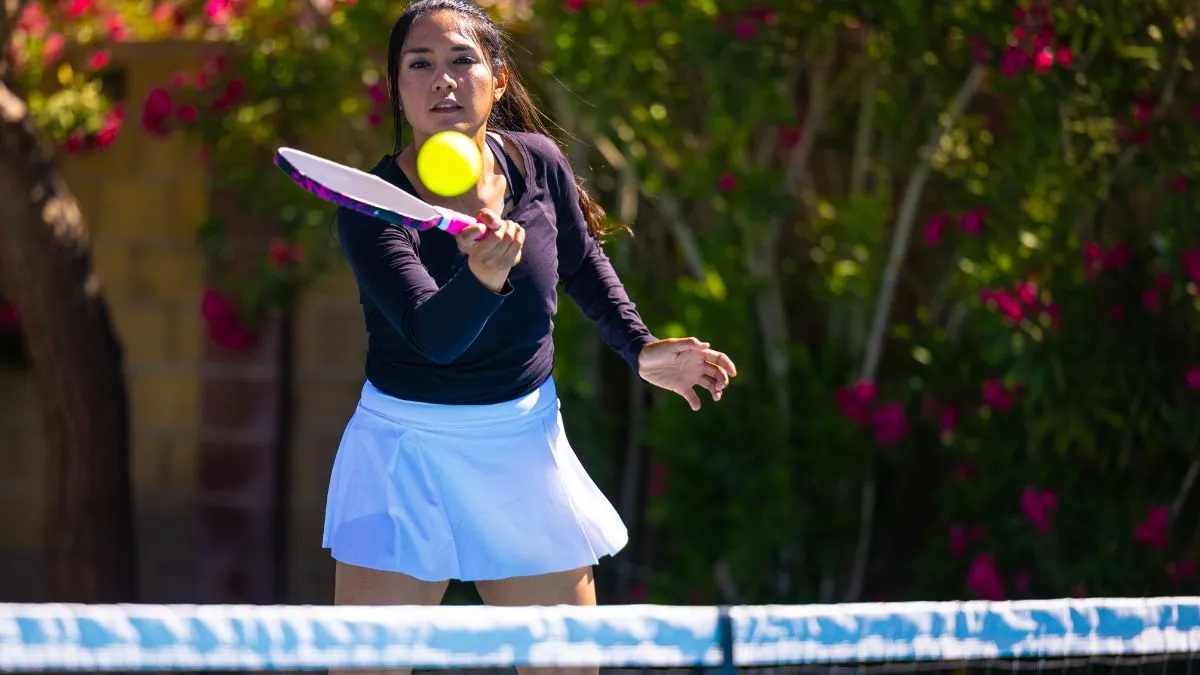
When you start playing pickleball, you’ll quickly find that grip quality can make a huge difference in your performance. A reliable grip helps you greatly, especially during long games.
But with so many paddle grip options on the market, finding the best grip for your needs can be overwhelming.
From tacky to dry-feel, overgrips to cushion wraps, the right grip changes how a paddle feels in your hand. Here’s a rundown of the types, the most popular options, and the grip techniques worth knowing.
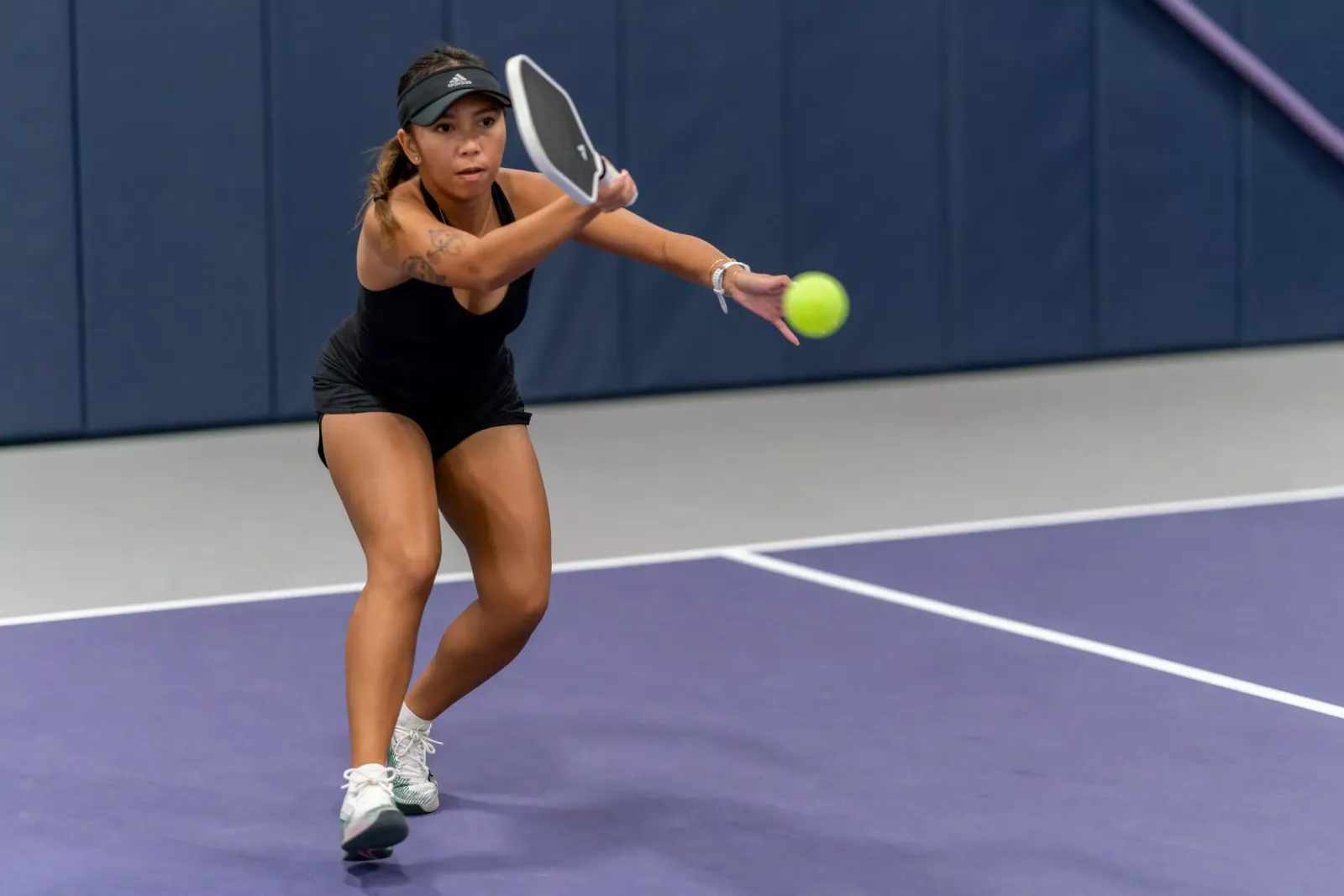 Photo Credit: @aboveinteractive
What is a Pickleball Paddle Grip?
A pickleball paddle grip is the covering around the paddle handle that players use to hold onto the paddle. This accessory affects how well you can control the paddle and how comfortable it feels.
Good grips are usually made of either tacky materials, which enhances control, or dry-feel, which absorbs sweat and keeps your hand from slipping.
Some grips are designed to add thickness, which can make the handle feel more comfortable, especially if the original grip feels too thin.
## Types of Pickleball GripsHere are the different types of paddle grips that you can choose from:
1. Standard Grips
These grips come pre-installed on most paddles. Standard grips generally provide good control and comfort but may not have the specific features of more specialized options.
2. Overgrips
Overgrips are additional layers that players wrap around the standard grip to add thickness, comfort, or specific properties like moisture absorption. These are affordable and easy to replace, making them a popular choice for players who want to customize their paddles. For how thick they make the handle, how often to change them and how to wrap one, see our pickleball overgrip guide.
3. Cushion Grips
These grips focus on comfort by adding extra padding. Cushion grips are great for players who prefer a softer handle feel and want additional shock absorption.
These are particularly useful for players who have hand or wrist issues.
4. Tacky Grips
Tacky grips have a sticky texture that provides extra grip strength. This type of grip is perfect for those who need more control, especially during intense games.
These are ideal for humid environments, where sweat can make regular grips slippery.
5. Dry Feel Grips
Designed to wick away moisture, dry-feel grips are ideal for players who sweat a lot or play in hot, humid conditions. They don’t feel sticky, but they provide a good grip by keeping your hands dry.
Top Pickleball Grip Brands and Products
Now that you know the advantages, look at some of the best pickleball overgrip brands and products on the market, detailing what makes each unique.
Some links below are affiliate links — as an Amazon Associate, Pickleland earns from qualifying purchases at no extra cost to you.
⭐ uDrippin Pro DRIP — Official Sponsor Pick
uDrippin is Pickleland’s official grip sponsor — and the grip our players reach for first. Their Pro DRIP overgrip is USA Pickleball approved and engineered specifically for pickleball with maximum sweat-absorption and a tackiness that holds through a full Texas-summer session.
Available in multiple colors and trusted by competitive players at all levels.
Features and Benefits:
- USA Pickleball approved
- Max sweat-absorption
- Long-lasting tackiness
- Multiple color options
- Built specifically for pickleball
1. Tourna Original Dry Feel Grip
Tourna’s Original Dry Feel Grip is ideal for hot, humid climates and for players who sweat a lot. Its unique blue color is patented, and it’s recognizable from tennis rackets and pickleball paddles alike.
This grip is for players who play in warm weather and prefer a dry, cloth-like texture over a tacky one.
Features and Benefits:
- Sweat absorption
- Non-tacky surface
- Thin and lightweight
- Used by pros
Cons:
- Lacks stickiness
2. Gamma Sports Tac Overgrip
Gamma’s Tac overgrip provides a balance between tackiness and moisture-wicking. It’s a top pick for players looking for a versatile, all-around grip.
Players who want a versatile, cost-effective grip that offers tackiness without feeling overly sticky will love this grip.
Features and Benefits:
- Moisture-wicking
- Color variety
- Thin and lightweight
- Affordable
Cons:
- Less durable
3. Prolite No-Sweat Diamond Grip
The Prolite No-Sweat Diamond Grip is different in feel and design, making it a solid option if you’re looking for something that doesn’t fit the typical tacky or cloth-like feel.
This is for players who want a longer-lasting grip with a unique feel that works well for sweat absorption.
Features and Benefits:
- Non-Tacky diamond texture
- Good Sweat control
- Durability
Cons:
- Higher price
4. Yonex Super Grap Overgrip
Yonex Super Grap is popular among players who like a leathery feel that’s thicker than most thin overgrips. It provides tackiness with a slightly padded feel.
Players who like a leathery grip with cushioning for comfort prefer this.
Features and Benefits:
- Leathery feel
- Sweat management
- Shock absorption
- Color options
Cons:
- Slightly thicker
5. Hesacore Tour Grip
The Hesacore Tour Grip is unique because it’s a slip-on grip. It’s a popular choice among players who want something different from traditional wraps.
If you’re looking for an ergonomic option with good shock absorption and a quick-slip application, this might be for you.
Features and Benefits:
- Easy application
- Shock absorption
- Increased grip strength
- Effective for sweaty hands
Cons:
- Higher price point
- Unique or strange feel
Understanding Pickleball Grip Techniques
Here are three primary grip techniques used in pickleball:
Eastern Grip
Often recommended for beginners, the Eastern grip is neutral, allowing players to switch seamlessly between forehand and backhand shots without adjusting their grip.
To achieve this grip, hold the pickleball paddle as if shaking hands with it. This hand positioning is effective because it offers versatility, making it a popular choice for new players developing their skills.
Western Grip
For players looking to add topspin to their forehand shots, the Western grip can be effective. This grip involves rotating your hand 90 degrees from the Eastern position, allowing more paddle surface contact on the ball’s upper edge.
However, the Western grip does have a limitation: it weakens backhand shots, often requiring players to use a two-handed backhand. It’s a choice that suits players who prioritize forehand power over backhand flexibility.
Continental Grip
The Continental grip, often known as the hammer grip, boosts backhand shots and is popular in netplay, where dinks and volleys rule.
Although ideal for backhand and finesse shots, this grip is weaker for forehands, which can make it challenging for players who frequently rely on forehand power. It’s popular among experienced players who focus on control and precision close to the net.
Overgrips in the Pickleland Shop
From the Pickleland shop: overgrips. Each card shows the current price and availability.
Get Your Grip in the Game!
Whether you prefer a tacky, moisture-wicking, or cushioned feel, there are plenty of options to suit your style and environment.
Trying different grips can help you find the one that best fits your game, so don’t hesitate to experiment until you find the perfect match.
Read more insightful guides here:
- The Best Pickleball Paddles in 2026
- 13mm Vs. 16mm Pickleball Paddles: Which One Is Right For You?
- Top 8 Pickleball Gift Ideas That Score Big!
Frequently Asked Questions (FAQs)
1. How do I choose the right pickleball grip?
Choosing a grip depends on factors like your preferred feel (tacky or dry), playing environment (indoors or outdoors), and the thickness that feels comfortable in your hand. Testing different grips can help you determine what works best.
2. What is an overgrip, and why should I use one?
An overgrip is an extra layer wrapped around the handle’s original grip. It can add thickness, enhance comfort, improve moisture absorption, and extend the lifespan of your grip by protecting it from wear.
3. How often should I replace my pickleball grip?
Replace your grip every few months or as soon as you notice wear, loss of tackiness, or decreased moisture absorption. The frequency depends on how often you play and the quality of the grip.