
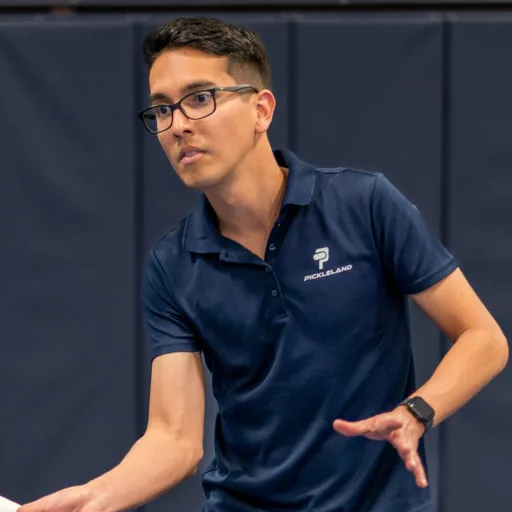

Pickleball is famous for its welcoming culture — but that culture doesn’t happen by accident. It’s built on a set of unwritten rules that experienced players follow every session without thinking twice.
If you’re new to the game, learning these norms will help you fit right in. If you’ve been playing for years, a refresher never hurts. Here’s everything you need to know about playing pickleball the right way.
Call Your Own Faults Honestly
Pickleball is a self-officiated sport. There are no referees at recreational open play, which means players are trusted to call their own faults honestly.
If your shot lands out, say so — even if it costs you the point. If you step into the kitchen on a volley, call it on yourself. The culture of the game depends on this kind of integrity.
Calling opponents’ shots “out” when you’re not sure is a fast way to lose respect on the court. The standard: if you’re not certain it was out, it was in.
Give the Benefit of the Doubt on Line Calls
When making line calls on the other side of the net, the rule of thumb is simple — if you can’t call it out with confidence, call it in.
A ball that clips the line is in. A ball you weren’t 100% tracking? In. This isn’t charity — it’s the standard that makes recreational play fair and friendly.
If there’s a genuine dispute, you can replay the point. Most players will agree to this without argument.
Control Your Paddle After the Point
Slamming your paddle on the ground, tossing it in frustration, or loudly berating yourself after a missed shot disrupts the environment for everyone.
Keep your reactions measured. A brief “ugh” or “come on” is human and totally fine. Sustained outbursts — at yourself, your partner, or anyone else — are not.
The best players at every level have iron discipline over their emotional responses. It’s part of what makes them better players. Start building that habit early.
Don’t Cross the Court Mid-Rally
If you need to walk to another court — to retrieve a ball, get water, or switch sides — wait for a stoppage in play. Walking behind a live rally distracts players and can be dangerous if a fast ball comes off the paddle.
Make eye contact with players on the adjacent court, wait for a natural pause, then move quickly and quietly.
Announce the Score Before Every Serve
This is one of the most commonly forgotten rules among beginners, and one of the most important.
Before serving, the server always announces the score — server score first, receiver score second, server number in doubles (e.g., “4-3-2”). This keeps everyone on the same page and prevents score disputes mid-game.
Make it a habit from day one. If you’re unsure of the score, ask. It’s far better to pause for five seconds than to play three more points before realizing there’s a disagreement.
Return Balls to the Correct Court
When a ball rolls onto your court from a neighboring game, wait for a break in your rally, then send it back — directly to the server if possible, not just rolling it toward the court randomly.
Similarly, if your ball rolls onto someone else’s court, call “ball” to alert them before your next serve. Don’t serve while their rally is paused because of your ball.
Welcome New Players at Open Play
One of the best things about pickleball culture is how quickly it accepts newcomers. If you see someone waiting to play — especially if they look nervous or uncertain — go introduce yourself.
At open play, the traditional format is winner-stays or rotating in by the paddle rack. Learn how the specific venue runs things and help new players understand the flow.
A two-minute welcome from an experienced player can be the difference between someone falling in love with the sport or feeling too intimidated to come back.
Don’t Poach Constantly in Doubles
Doubles is a partnership sport. Poaching — crossing over to your partner’s side to hit a ball they could reasonably return — has its place when strategically executed. But doing it constantly, especially on shots your partner had covered, undermines the partnership and causes confusion.
Communicate before the game: discuss your positioning preferences, who takes the middle, and how you want to handle overheads. Then stick to the plan.
Keep Unsolicited Coaching to Yourself
Unless your partner specifically asks for feedback, don’t coach them mid-game or after every missed shot. Even well-intentioned tips land badly when a player is already frustrated.
If you do get asked for advice, keep it brief, positive, and actionable: “Try angling that one more cross-court” is useful. A five-minute breakdown of their technique during a doubles game is not.
Shake Hands (or Tap Paddles) After Every Game
Win or lose, finish every game at the net. A quick “good game” and paddle tap at the net is the universal closer. It’s acknowledgment that for the last fifteen minutes, four people shared a space and competed — and that’s worth recognizing.
Skip this once and you’ll notice the awkward silence. Make it a habit and it becomes one of the best parts of the game.
Pickleball’s culture is genuinely one of the most welcoming in recreational sports. These norms exist to protect that culture, and every player — beginner or veteran — is responsible for upholding them.
Play the right way, and you’ll make friends you didn’t expect.