


Walk up to a busy public court and you’ll see a row of paddles lined up along the fence. That’s paddle stacking, the unspoken queue system that decides who plays next and keeps a packed court from descending into chaos. Get it right and you’ll slot into any open-play session like a regular; get it wrong and you’ll spend the afternoon standing on the sideline wondering why everyone keeps going ahead of you.
The tricky part is that every court does it a little differently, so a quick conversation with the locals goes a long way. Below we cover why paddle stacking etiquette matters, the various methods you’ll run into on public courts, and tips for fitting smoothly into the pickleball community.
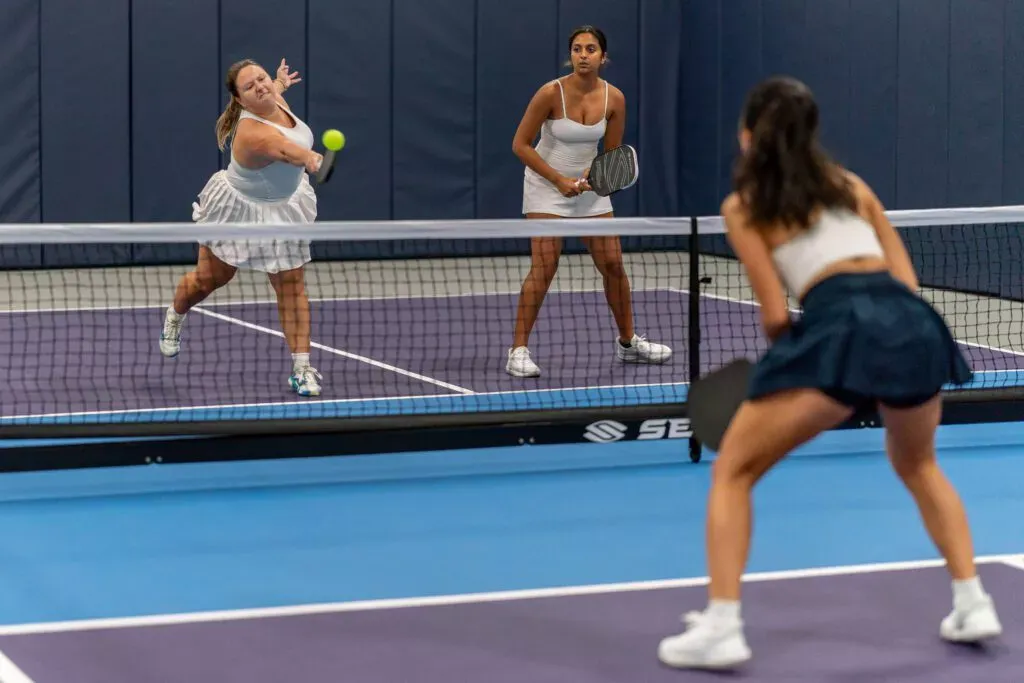
Why is Paddle Stacking Important?
Paddle stacking is crucial for ensuring a seamless experience on public courts, allowing all players to play fairly and enjoyably. Here are a few reasons why it’s important:
Fair Play
Keep in mind that paddle stacking creates an organized turn-taking system, promoting fair play and giving each player a chance to enjoy the game and connect with other pickleball players.
Time Management
Since players understand when it’s time to step onto the court, games flow efficiently, ensuring quicker matches and minimizing wait periods for players who are eager to join the action.
Community Spirit
While playing pickleball, following etiquette cultivates respect and camaraderie among players, enriching the social experience. In addition, open communication and patience ensure enjoyable games, making each match a memorable encounter.
How to Stack Paddles?
Take note that there are several common methods for paddle stacking, each with its etiquette. Here are some popular formats you might encounter:
2 on, 2 off
In this setup, two players face off against two others, keeping four on the court. After a set time, players switch, allowing more participation and skill-building in a fun game.
4 on, 4 off
As the players form two teams of four, the winning team remains on the pickleball court while the losing team rotates out, encouraging more interaction among participants in larger groups.
Winners Stay
For the winners, staying on the court creates excitement while challengers eagerly wait for a chance. Keeping an eye on sidelined players ensures fairness and enjoyment for all pickleball participants.
Challenge Court
The challenge court format lets players place paddles in a designated area to challenge current games. Winning allows control of the court, appealing to competitive spirits but increasing wait times.
Everyone Rotates
Doing this format guarantees equal playtime for participants. After each game, players rotate, ensuring no one remains on the pickleball court longer than necessary. This method builds social interaction and connection.
What to Keep in Mind?
When engaging in pickleball, it’s crucial to understand and adapt to the environment and community. Here are some key considerations:
1. Respect Local Rules
Every court may enforce unique paddle stacking rules, including specific rotation systems or designated challenge courts. That’s why, having a brief conversation with local players provides insight into these norms.
2. Communicate
Building clear communication fosters a positive environment. Inform other players when ready to play and politely inquire about local rules. Respecting guidelines enhances enjoyment and promotes friendly interactions among players.
3. Have Patient
All players desire a chance on the court, making patience essential. While waiting for a game or observing, a positive attitude enhances experiences and fosters a welcoming atmosphere for players.
4. Be Inclusive
You should encourage newcomers and welcome varying skill levels. Pickleball thrives on community spirit, and creating inclusivity that enhances fun for all participants while creating lasting connections through positive competition.
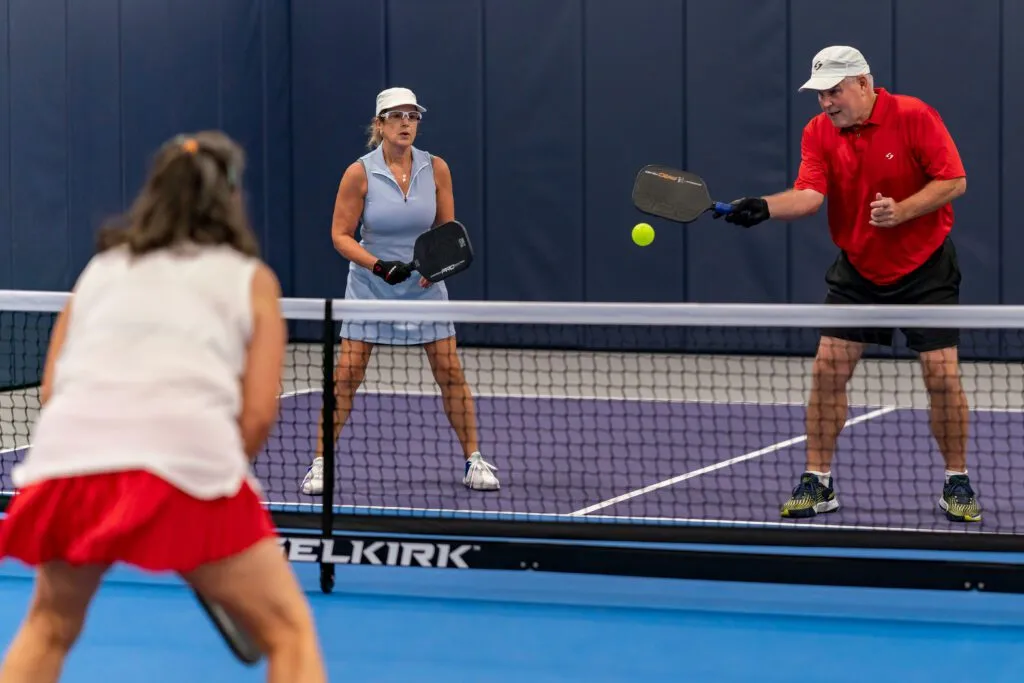
When to Use Paddle Stacking Etiquette?
Understanding when to apply paddle stacking etiquette is essential for a positive experience on public courts. During busy times, such as weekends or tournaments, following these guidelines helps maintain order and ensures fair play.
By observing how others stack their paddles and interact on the court, newcomers can gain valuable insights into the local culture. Engaging in conversations about court etiquette fosters connections and builds relationships within the pickleball community.
Remember that everyone is there to have fun, so being respectful and patient creates a welcoming atmosphere for all players. Embracing these practices enhances enjoyment and encourages a sense of belonging among participants.
Avoid Common Pitfalls
Being mindful of common mistakes can enhance the game. Like any sport, understanding and respecting your surroundings is essential. These are the following:
Ignoring Local Norms
Failing to ask about local rules leads to misunderstandings and frustration among players. Taking time to learn and adapt enhances the experience and promotes a more vibrant space for all.
Overcrowding the Court
Allowing excessive players to stack paddles creates confusion and prolongs waits. Adhering to established formats promotes good gameplay and enhances the overall experience for all pickleball players on the court.
Disrespecting Waiting Players
Focusing solely on gameplay while neglecting waiting players can diminish community spirit. Show courtesy and awareness to those eager to join, building connections and positive experiences for all players involved.
Do you want to elevate your pickleball experience? Don’t wait any longer—check out our membership options today and start building connections, improving your skills, and enjoying the game even more!
Case Study: Insights from a Famous Pickleball Player
Consider the experience of Simone Jardim, a top-ranked pickleball player known for her sportsmanship and connection with the community. Simone regularly participates in local pickleball events, highlighting the value of proper etiquette and communication.
Her approach not only demonstrates her talent but also helps create opportunities for players of all levels to enjoy the game. By promoting paddle stacking and supporting new players, she builds strong community ties and enhances the overall pickleball experience.
Elevate Your Game and Connect Today!
Learning pickleball paddle stacking etiquette is key to ensuring fair play and keeping games moving efficiently at public courts. By knowing the different stacking methods, respecting local customs, and communicating clearly with others, you’ll help create a positive and engaging experience for all.
Most importantly, remember to have fun and connect with new players along the way! Want to learn more? Check our other insightful guides here:
- How To Start Your Own Local Pickleball Group?
- Top Pro Pickleball Tournaments To Watch: The Ultimate Guide
- From Court to Screen: Must-Have Pickleball Apps and Tech Accessories
Frequently Asked Questions (FAQs)
Why Is it called Pickleball?
The name “pickleball” comes from the family dog of one of the game’s inventors, who was named Pickles. In addition, the term symbolizes the playful spirit behind this fun sport.
Who Invented the Game of Pickleball?
Pickleball was invented in 1965 by Joel Pritchard, Bill Bell, and Barney McCallum in Bainbridge Island, Washington. They sought to create a fun game for their families to enjoy together.
What Is the Golden Rule of Pickleball?
As the golden rule of pickleball emphasizes playing with respect and kindness toward opponents and partners, it encourages a positive environment, enhancing the camaraderie among all players on the court.