
Walk past almost any park these days and you’ll hear it: the unmistakable pop of a plastic ball against a paddle. In just a few years, pickleball has gone from a quirky backyard pastime to the fastest-growing sport in America, with 24.3 million players and counting. So what’s behind the obsession?
The short answer is that pickleball lowers the barrier to entry without ever getting boring. It borrows the best bits of tennis, badminton, and ping-pong, so beginners can rally within minutes, yet the strategy runs deep enough to keep competitive players hooked for years. Add in fewer injuries, a built-in social scene, and a real cardio workout, and it’s easy to see why people keep coming back.
How to Play Pickleball and What’s Behind Its Explosive Popularity
Pickleball has become one of the fastest-growing games in the United States, which is unsurprising. Anyone of any age can easily play the game with a stick, making it available to everyone. Pickleball is different from many other games because you don’t need to be very fit or athletic to enjoy it. This article will go into detail about why pickleball is becoming so famous.
With a paddle and a plastic ball with holes in it, pickleball is a paddle sport that combines elements of badminton, tennis, and ping-pong. Pickleball is a great sport for beginners because it is fun for people of all ages and skill levels and has easy-to-understand rules.
It starts easy, but as players get better, it gets harder, faster, and more competitive. So, what are you waiting for?
The Origins of Pickleball
The story of how pickleball came to be is short but interesting. This game was made by three fathers who lived on Bainbridge Island in 1965 and wanted to find a new way to enjoy the outdoors by mixing parts of different racquet sports. From this mix came pickleball, a game that many people enjoy.
There are two possible places where the strange name “pickleball” comes from. One idea connects it to the phrase “pickle boat,” which refers to the game’s mix of rules, which looks like a group of extra oars. According to the second idea, it was named after a family dog called Pickles, who loved chasing the ball.
No matter where its strange name came from, pickleball has become very famous very quickly — growing from just a few million players to tens of millions in a handful of years.
What Led to Pickleball’s Rapid Growth
Pickleball became “the fastest growing sport in America” according to the Economist because the number of people playing it has grown by 171% over the past three years, according to the SFIA 2025 report. There are now 24.3 million Americans now playing the sport as of 2025.
The need for courts is going through the roof, so cities are building new ones and private groups are reusing tennis courts. Professional pickleball has also grown, with new tours like Major League Pickleball and old ones like the APP and PPA. Professionals are being hired by country clubs to teach their members.
Commercialization is moving quickly, with companies like Recess and magazines like In Pickleball taking advantage of the sport’s rise. Also, there is a trend among young people, as shown by the fact that more schools are teaching pickleball as part of physical education.
Most core players (those who play eight or more times a year or more) are still 65 or older, but most leisure players are between the ages of 8 and 34.
Many people are interested in pickleball because it’s so popular, which has led to questions about its appeal and health benefits. How does it become so famous, and does it really give you a good workout?
Accessibility and Learning Curve
- Easy Learning Curve: Pickleball’s simplicity makes it easy for beginners to grasp.
- Serve Mastery: Mastering the serve doesn’t require extensive training, unlike some other sports.
- Grip Versatility: The versatile “continental grip” simplifies shot execution for players.
- Scorekeeping Challenges: Navigating the scoring system presents a minor hurdle for newcomers.
Lower Injury Rates
Pickleball is less likely to cause injuries than games like tennis, which could be good for your health.
People who play tennis for fun often get tennis elbow because they play too much and grip the ball too tightly. Because pickleball paddles are lighter, they hit the ball with less force.
Tennis and baseball players often hurt their shoulders by hitting and serving over and over again. Pickleball has lower rates of shoulder injuries because it doesn’t stress high moves as much.
Rolling your ankles is more likely to happen on a smaller pickleball court because you don’t have to run as fast or move quickly from side to side. Even though bruises can still happen, pickleball is more about being patient than being physically fit.
Rapid Improvement
Pickleball is one of the few sports where beginners can quickly move up the levels. With focused practice — and a few pickleball lessons in Austin — they can go from being a beginner to an intermediate player in months instead of years.
Pickleball skill development isn’t just based on how athletic you are; consistent practice can help you get past your initial athletic limits.
Playing strategically and reducing needless mistakes are two big ways to get better. You can improve your game by focusing on high-percentage shots, smart placement, and a solid serve.
Learning important shots like the “dink” and “return” can help players improve their skills faster, which can stop attacking plays and change the flow of the game.
By getting better at serving, especially with underhand serves, you can level the playing field and keep your opponents from getting too far ahead.
Addictive Appeal
People often say that pickleball is very addicting, and players say that it’s still their main way to stay in shape years or even decades later. There are many stories of people who fell in love with pickleball after just one weekend of playing and made it their favorite activity.
Some fans love the game so much that they built a court in their backyard. The thrill of quick games to 11 keeps people interested, and comebacks make the action even better. The longer points make the game more patient and smart, which helps even weaker teams stay in the game.
As more communities become interested in pickleball, they add court lines and separate nets to tennis courts. In some cases, tennis courts are being completely turned into pickleball courts.
All tennis players don’t like this change, but it’s happening because pickleball is becoming more popular, and serious players want their facilities.
Health Advantages of Pickleball
Cardiovascular Fitness Boost
Playing pickleball can burn up to 600 calories per hour, aiding in weight management and promoting cardiovascular health. This aerobic activity improves lung function, regulates blood sugar levels, controls blood pressure, and enhances cardiovascular conditioning.
Mental Sharpness Enhancement
The fast-paced nature of pickleball sharpens decision-making skills and cognitive function, contributing to improved memory recall and hand-eye coordination over time.
Joint-Friendly Exercise
Pickleball’s low-impact nature reduces stress on joints and muscles compared to higher-impact sports like tennis or running. The smaller court size and underhand serve minimize strain on knees, hips, and ankles, making it suitable for all age groups.
Heart Health Improvement
The intense cardio workout in pickleball can lower the risk of heart disease by positively affecting cholesterol levels and blood pressure, as demonstrated in studies.
Stress Relief
Engaging in pickleball distracts from stressors and encourages positive focus. The release of endorphins during aerobic activities like pickleball helps alleviate stress and anxiety.
Social Interaction and Well-Being
Pickleball’s social nature fosters friendships and community connections, contributing to mental well-being and potentially extending lifespan through increased socialization.
Getting Started with Pickleball
Pickleball Formats
Pickleball can be played in doubles or singles on the same court, although it’s predominantly played in doubles. A coin toss decides which team goes first.
Beginning Serve
The serving player initiates play by hitting the ball diagonally into the opponent’s service court underhand. The serving quadrant’s right-side player begins, and subsequent serves alternate between team members.
Returning Serve
The receiving team must let the ball bounce once before returning the serve, following the “two-bounce rule.” After both teams bounce the ball, volleys or groundstrokes are allowed beyond the non-volley zone.
Playing the Game
Players hit the ball from behind the “kitchen” line unless retrieving a ball that entered the kitchen. Play continues until the ball is not returned or lands out-of-bounds.
Scoring Points
Only the serving team scores points, with the server rotating after a fault. A “side-out” occurs when the receiving team gains the serve due to the serving team’s fault.
Calling Points
Scores are announced at the start of each round, with three numbers in doubles matches and two in singles matches, indicating the serving team’s score, the receiving team’s score, and the server number in doubles.
Winning the Game
Games are played to 11 points, with a two-point margin required for victory, similar to badminton.
Faults and Singles Play
Faults include out-of-bounds hits, net touches, double bounces, volleying from the kitchen area, or entering the kitchen after volleying. In singles, there is only one server, alternating sides based on score parity, and the receiving player gains the serve after winning a rally (a “side-out”).
Key Reasons to Play Pickleball
Pickleball’s popularity is skyrocketing across North America, and here are some compelling reasons to consider joining in:
- It’s an enjoyable fusion of tennis, badminton, and table tennis.
- Provides a fantastic workout.
- Easy to learn, focusing on skill development, strategy, and sportsmanship.
- Utilizes simple equipment—a hard paddle and a perforated plastic ball.
- Can be played outdoors or indoors on various surfaces.
- Suitable for all ages and skill levels.
- Quick progression from basics to advanced play, keeping it exciting and engaging.
- Requires a mix of strength, agility, and coordination, making it a hit among friends and a great way to stay active.
Essential Pickleball Equipment
Some links below are affiliate links — as an Amazon Associate, Pickleland earns from qualifying purchases at no extra cost to you.
To get started with pickleball, you’ll need key pieces of equipment, which have remained consistent since the game’s inception.
Shoes
Investing in the right footwear is crucial for optimal performance in pickleball.
- Purposeful Design: Pickleball shoes should offer lateral support, lightweight construction, and be suitable for court surfaces.
- Popular Brands: Notable brands include Skechers Viper Court, Acacia Sports’ Tyler Loong Signature Edition, FILA’s Volley Zone, and K-Swiss’s Express Light.
- Key Features: Look for non-skid soles, arch support, breathable mesh, heel stability, traction, shock absorption, and proper width.
Paddle Selection Guide
Choosing the right pickleball paddle can significantly impact your gameplay.
- Features to Consider: Face size, texture, durability, weight, sweet spot size, control, and grip comfort.
- Material Options: Paddles come in wood, graphite, polypropylene, carbon fiber, and fiberglass variants.
- Performance Considerations: Carbon fiber for control, fiberglass for power, and graphite for responsiveness.
- Popular Models: Joola, Selkirk Sport, and Engage offer a range of paddle options.
Ball Basics
Understanding pickleball ball characteristics is key to enjoyable gameplay.
- Ball Composition: Molded plastic with varying hole sizes.
- Indoor vs. Outdoor: Differences in hole count and ball weight for indoor and outdoor play.
Additional Pickleball Gear
Enhance your pickleball experience with the right gear and accessories.
- Clothing: Choose moisture-wicking, comfortable athletic wear.
- Protective Gear: Consider safety glasses, visors, and athletic bras.
- Carrying Solutions: Totes, bags, and ball band holders are convenient for gear organization.
- Hydration: Carry a water bottle for staying hydrated during play.
Pickleball: Inclusivity and Community Connection
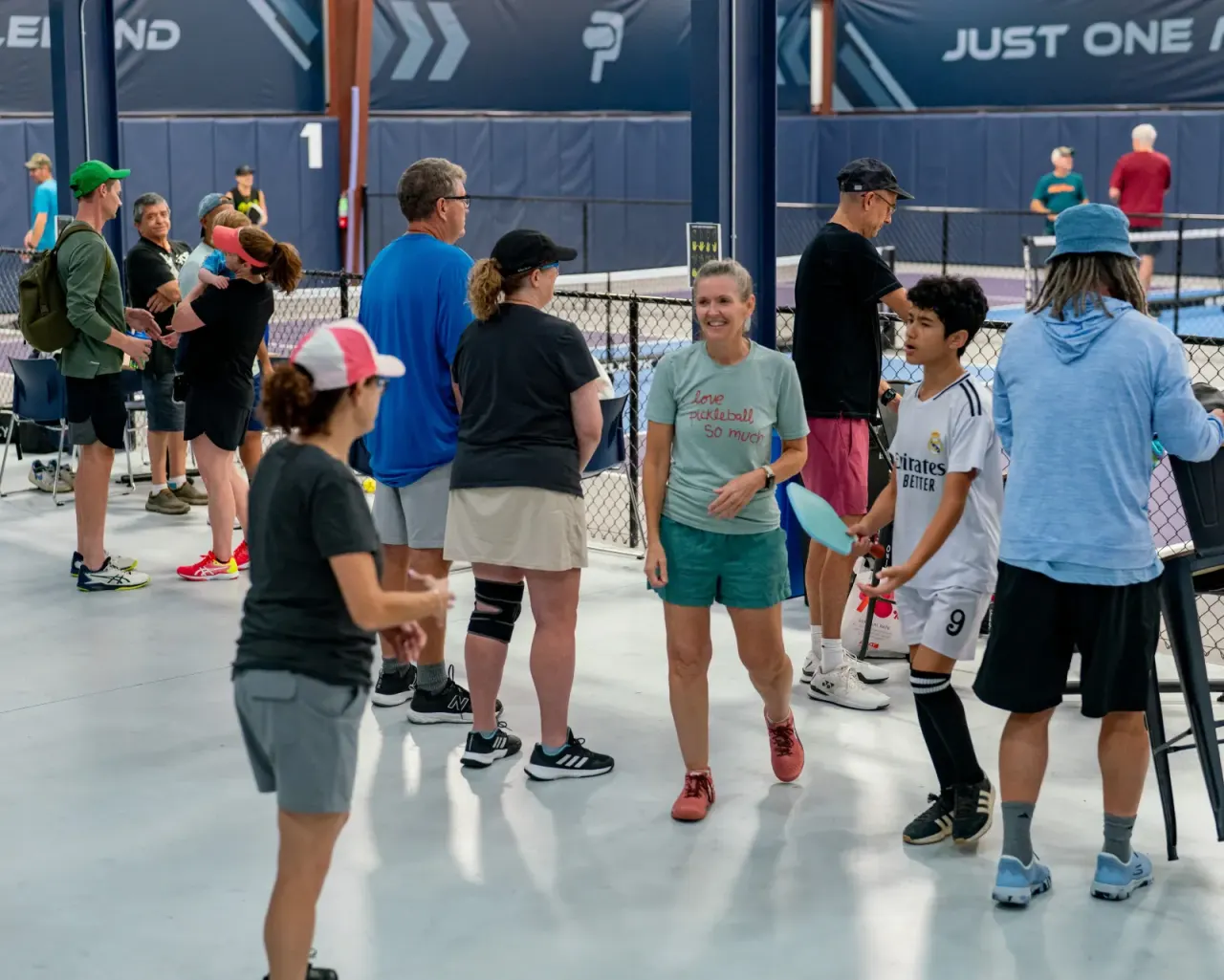
Pickleball’s accessible learning curve ensures that anyone can participate, leading to a diverse mix of players on the court. The joy lies not only in observing this diversity but also in actively engaging and playing alongside others.
Beyond the inherent fun and addictive qualities of pickleball, it’s this inclusivity and community engagement that captivate players and fuel the sport’s enduring growth.
The resulting benefits extend to healthier individuals, stronger social connections, vibrant communities, and perhaps, a slightly more harmonious society.
Are you now more confident in understanding pickleball and why it’s gaining popularity rapidly? Explore these linked articles for deeper insights.- Best Pickleball Shoes: A Guide To Select Your New Favorites
- Understanding Pickleball DUPR Rating System
For any additional queries about pickleball or other topics, please leave your questions in the comments section below. They will be addressed in the upcoming blog post!