
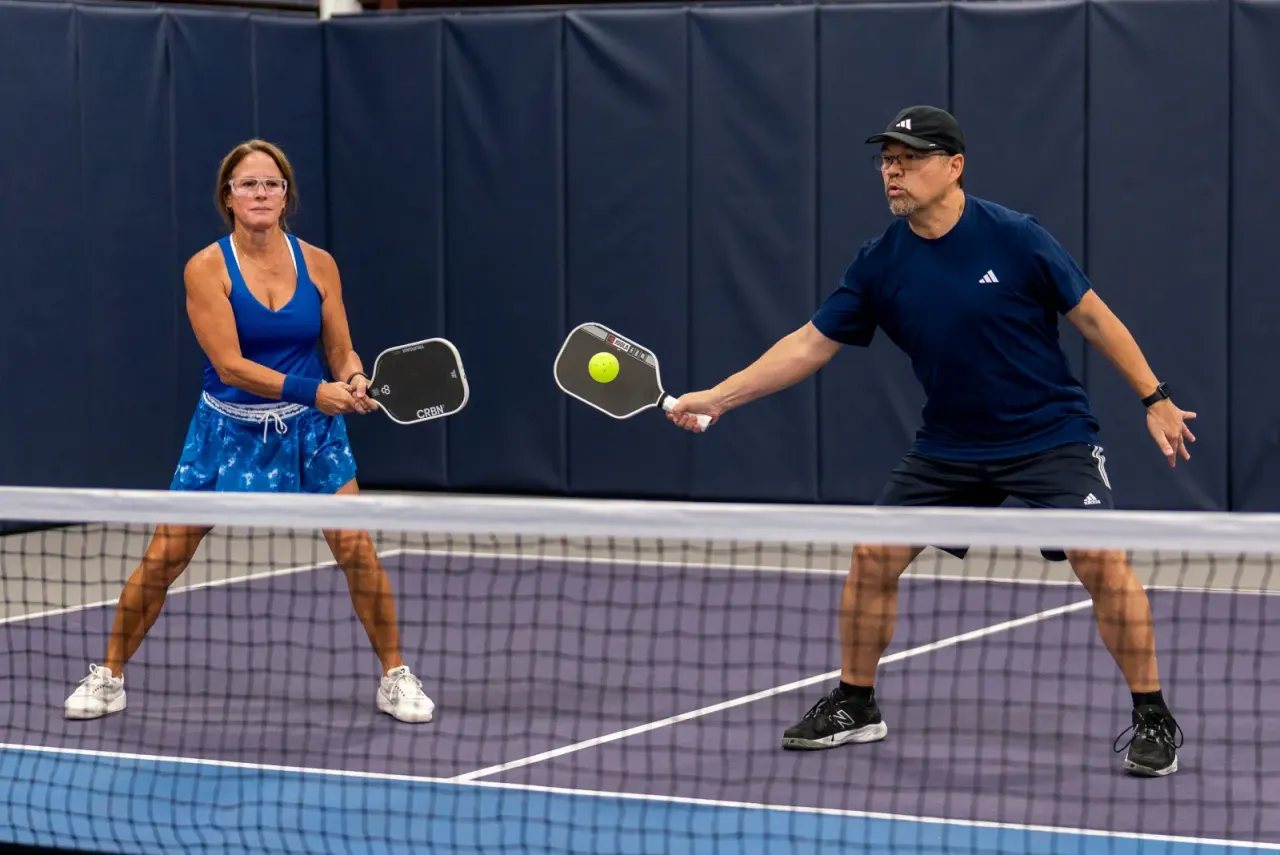
Some pickleball partnerships just click — points flow, mistakes get shrugged off, and both players walk off the court grinning. Others fall apart after the first bad call. The difference usually has less to do with raw skill and more to do with how you show up for the person on your side of the net.
Being a great teammate is something you can practice just like your serve or your dink. From staying dependable and supportive to communicating clearly under pressure, here’s how to become the partner everyone wants to draw on game day.
Characteristics of a Good Teammate
A good teammate possesses several key characteristics that contribute to a positive pickleball environment:
1. Dependable
Being dependable in pickleball means that your teammates can count on you to be consistent and reliable. This includes showing up on time for games and practices, being prepared with the right equipment, and putting in your best effort every time you play.
Dependability also means being steady in your performance, and not getting too high or too low emotionally, which helps maintain a calm and focused team atmosphere.
2. Supportive
When your partner makes a mistake, instead of getting frustrated, a supportive teammate offers encouragement and focuses on the next point. This positive attitude not only boosts your partner’s confidence.
Instead, it also fosters a friendly and cooperative team environment, making the game more enjoyable for everyone.
3. Communicative
A communicative teammate actively talks during the game, calling out shots, positioning, and strategies. This includes simple cues like “mine” or “yours” to avoid confusion about who will take the shot.
Off the court, good communication involves discussing game plans, sharing observations, and respectfully giving feedback. Effective communicators listen as much as they speak, ensuring that all teammates feel heard and valued.
This two-way communication helps build a strong partnership, as everyone is on the same page and can work together seamlessly.
Signs that You Are a Bad Teammate
Being aware of your behavior on the pickleball court can help you identify if you’re not being the best teammate. Here are some signs that you might be a bad teammate in pickleball:
1. Teammates Frequently Play Worse than They Are Capable of
If your teammates often play worse than usual when paired with you, it could be a sign that you’re not being a good teammate. This might happen if you’re too critical or don’t support them during the game.
When teammates feel judged or uncomfortable, they can get nervous and make mistakes they wouldn’t normally make.
It’s important to create a positive environment where your partners feel confident and relaxed. Encourage them and focus on their strengths, instead of pointing out every error.
2. Mentally Losing the Game Before it Even Starts
If you often think that your team has no chance of winning, this attitude can bring down the entire team’s spirit. Such negativity can spread quickly, making your partners feel discouraged and less motivated to try their best.
It’s important to approach each game with a positive attitude, believing that you can succeed if you work hard and play smart. Even if the competition is tough, staying hopeful and focusing on doing your best can boost the team’s morale and performance.
3. Constantly Blaming Your Partner(s) for the Teams Lack of Execution
When things go wrong, it’s easy to point fingers, but this creates tension and resentment in the team. Instead of blaming others, it’s better to focus on what you can do to improve as a team. Everyone makes mistakes, and being harsh or critical only makes people feel bad and less confident.
Tips on How to Be a Better Teammate
Being a good teammate in pickleball is crucial for building strong partnerships and enjoying the game. Check out these tips to get better:
1. Practice Your Serve
A strong and accurate serve can put pressure on your opponents and give your team an advantage. Regular practice helps you develop consistency and control, ensuring that you can execute your serve confidently during matches.
That being said, here’s how to practice your service:
- Focus on Accuracy: Aim for specific spots in the service box to increase your precision.
- Work on Power and Spin: Experiment with adding power and spin to your serve for more variety and challenge.
- Practice Consistently: Set aside regular time to practice your serve to build muscle memory and consistency.
- Use Drills: Incorporate serving drills into your practice routine to simulate game conditions and improve performance.
2. Work on Your Return
Working on your return in pickleball means improving how you respond to your opponent’s serve. A strong return helps you keep the ball in play and gives your team a better chance to score points.
It’s crucial for setting up your team’s offense and making sure the opposing team doesn’t dominate the game.
How to Have a Good Return
- Focus on Timing: Hit the ball at the right moment to improve accuracy and control.
- Use Proper Stance: Adopt a balanced stance to react quickly and make solid contact with the ball.
- Improve Footwork: Move swiftly to get into the best position to return the ball effectively.
- Anticipate Serves: Watch your opponent’s serving patterns to predict where the ball will land and prepare accordingly.
3. Improve Your Dink Game
Improving your dink game in pickleball means getting better at soft, controlled shots close to the net. A well-executed dink can catch your opponents off guard and make it easier for your team to take control of the point.
It’s a crucial skill for playing strategically and keeping the ball in play when you’re close to the net.
How to Improve Your Dink Game
- Focus on Soft Touch: Practice using a gentle touch to keep the ball low and close to the net.
- Aim for the Corners: Direct your dinks to the corners of the opponent’s side to make it harder for them to return.
- Work on Consistency: Practice dinking regularly to develop a consistent, reliable shot that you can use during games.
- Watch Opponents’ Reactions: Pay attention to how your opponents react to your dinks and adjust your shots to exploit their weaknesses.
4. Master Different Shots
Mastering different shots in pickleball means learning how to effectively use various types of strokes, like smashes, volleys, and lobs, during a game. Each shot serves a specific purpose and can help you handle different situations on the court.
- Practice Smashes: Work on powerful overhead shots to finish points and respond to high balls.
- Improve Volleys: Focus on quick reactions and control to handle balls hit close to the net.
- Perfect Lobs: Learn to lift the ball high over your opponents to create space and reset the play.
- Use Drop Shots: Practice hitting shorts, and soft shots to surprise your opponents and force them to move forward.
5. Communicate with Your Partner
Good communication with your pickleball partner is key to a successful game. Clear communication helps you coordinate plays, avoid mistakes, and stay in sync. This includes calling out who will take each shot, discussing game strategies, and giving constructive feedback.
Continue Growing and Improving as a Team
As you embrace these tips and put them into practice, remember that growth and improvement are ongoing processes.
By staying dedicated to learning and evolving as a team, you’ll not only enhance your pickleball game but also build stronger, more successful partnerships. So, continue to push yourselves and enjoy the journey of becoming the best team you can be.
How do you feel about this subject? You can click on the links below to learn more:
- The Latest Pickleball Rules: Key Updates And Changes
- Game On: Health Benefits Of Playing Pickleball
- Fun Corporate Event Ideas To Unleash Team Spirit
There is no limit to what you can ask about besides pickleball. Simply type them below. Your questions will be answered in the next blog post.
FAQs
What is the Golden Rule of Pickleball?
The Golden Rule of Pickleball is to treat your opponents, teammates, and everyone on the court with respect. This means playing fairly, being honest about calls, and supporting each other regardless of the game’s outcome. By following this rule, you help create a positive and enjoyable environment for everyone involved.
What are 3 Ways to Fault in Pickleball?
In pickleball, a fault occurs when a rule is broken, leading to the loss of a point or serve. Three common ways to fault are: Serving Errors: This happens when the ball is served outside the service area or does not clear the net properly. Foot Faults: This occurs when a player steps on or over the baseline or sideline during a serve. Non-Volley Zone Violations: This happens if a player hits the ball while standing in the non-volley zone (kitchen) or steps into this zone before hitting the ball.