
Walk into a pickleball facility on any given afternoon and you’ll likely hear the term tossed around: “open play.” It’s the heartbeat of the sport’s social scene — no brackets, no fixed teams, just paddles down on the rack and a steady rotation of new partners and opponents waiting for the next game.
But open play is more than a free-for-all. It’s where beginners pick up their first dink, where regulars build lifelong friendships, and where players of every level get court time without the stress of competition. Here’s exactly what open play means, why it matters, and how to make the most of your first session.
Understanding Open Play
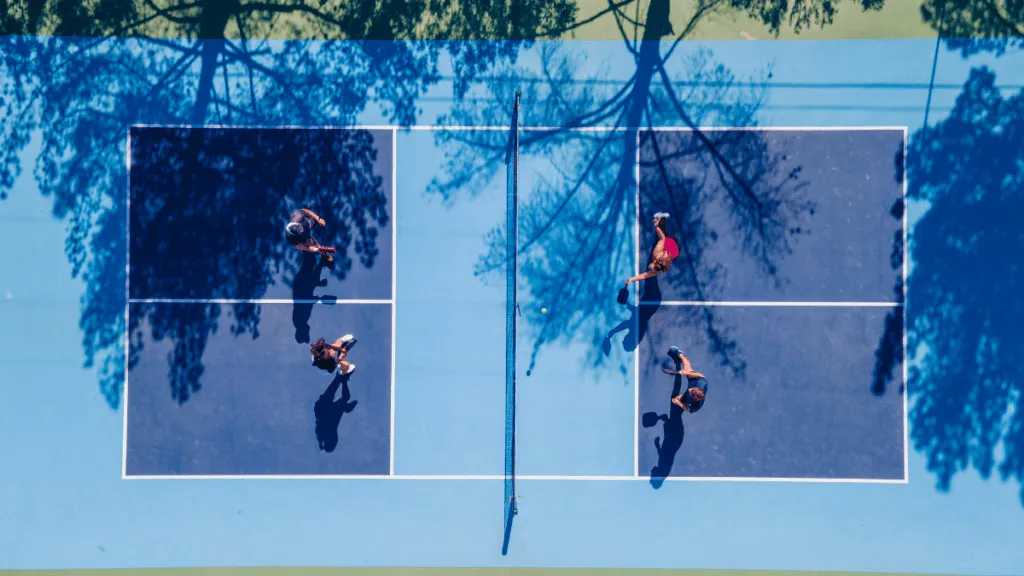
Open play refers to organized sessions or times designated for recreational pickleball where players of all skill levels can participate freely.
Unlike structured tournaments or leagues, open play provides a casual environment where players can enjoy the game without the pressure of competition. Also, it creates inclusivity, allowing beginners to learn from experienced players and vice versa.
Benefits of Open Play
Community Building
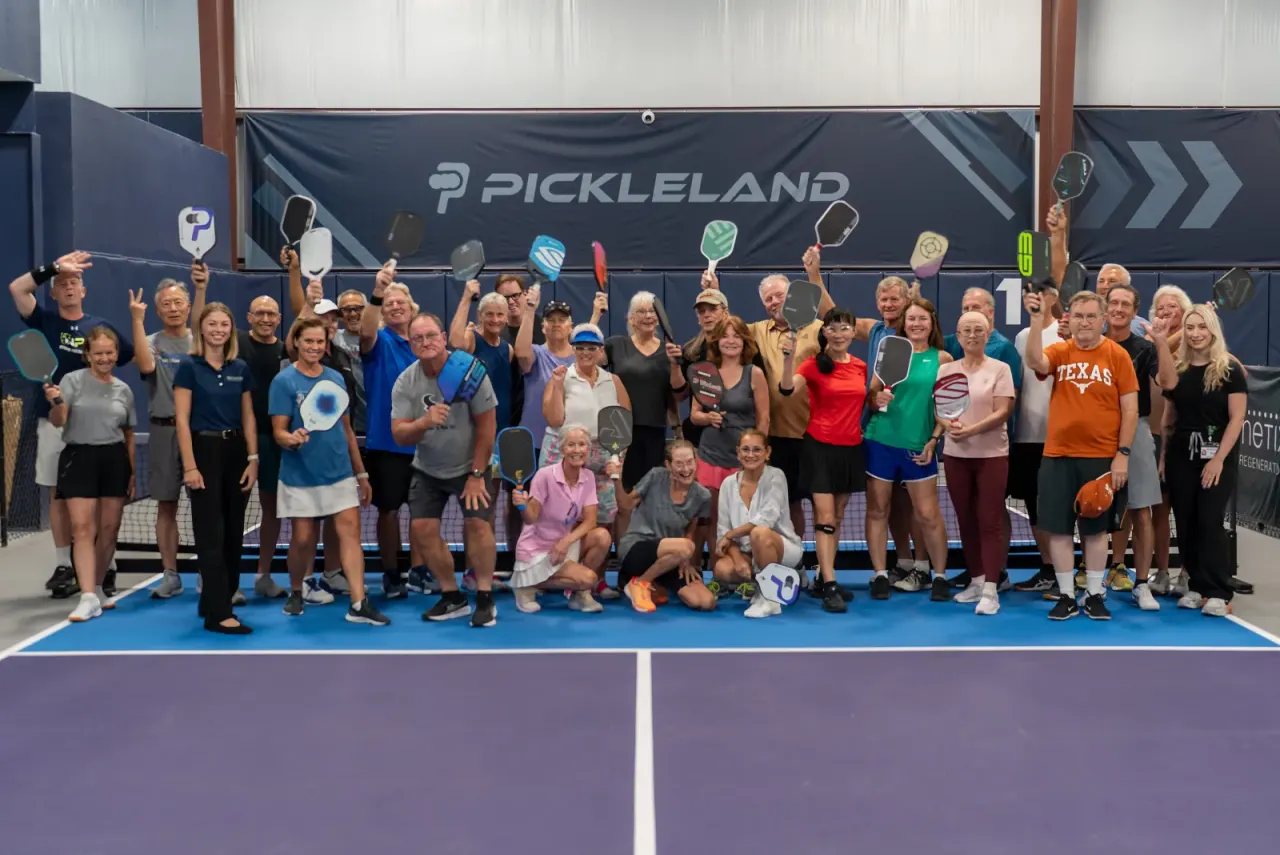
Open play sessions in pickleball bring players together and create a friendly community. They allow players to make new friends who love playing pickleball just as much as they do.
Also, this game is a time for everyone to bond over their shared enjoyment of the sport and to support each other while having fun on the court.
Skill Development
For beginners, open play is a great chance to learn from players who have more experience. They can watch and play alongside them and tricks that can help improve their game.
On the other hand, advanced players can use open play to work on their skills in a laid-back environment. This is the time where they can use strategies without the pressure of competition.
Physical Activity
Playing in open play sessions is a fun way to stay active and boost heart health. Pickleball’s fast-paced style keeps players on their toes, moving and involved in the game the whole time.
Plus, having this kind of active participation not only enhances physical fitness but also adds enjoyment to the experience.
Flexibility and Accessibility
Unlike formal competitions, open play in pickleball is more relaxed and flexible. This means that players can join in whenever they have time, which makes it easier to fit pickleball into their schedule.
Whether you’re busy during the day or have free time in the evenings, open play allows you to play pickleball whenever it works best for you.
What Are Tips for Enjoying Open Play?
1. Respect Others
When you play pickleball with others, it’s important to pay attention to how fast they play and how skilled they are. This helps create a friendly atmosphere where everyone feels included and supported.
2. Stay Engaged
If you want to try pickleball open play rotation with partners willingly, it means you’re open to playing with different people during your pickleball games. You might face various styles of play from others.
This isn’t just about getting better at the game yourself, but it also makes the experience enjoyable for everyone involved because it encourages teamwork and everyone learns from each other’s techniques.
3. Have Fun
Remember open play in pickleball is all about having fun while playing the game. That’s the time when players can enjoy pickleball without the pressure of competition.
By participating in open play, players can celebrate the joy of pickleball together and enjoy the social aspect of the game. This game is about sharing the fun of playing pickleball with others.
Splitting Open Play by Level at Pickleland
Pickleland categorizes players into skill levels such as beginner, intermediate, and advanced. This classification allows for balanced matchups during open play sessions. There are some benefit in splitting open play by level, and this include:
1. Enhanced Game Play Experience
Players can compete at a level that challenges them without overwhelming or underwhelming their skills, which means that when players are matched with others who have similar abilities.
This way, they can enjoy playing pickleball more because they are facing opponents who push them to do their best without feeling frustrated or like they can’t keep up.
2. Reduced Frustration
Fair matchups are important because they ensure that each player has a good chance to compete well. When players are matched fairly, it means they are playing against others who have the same skill level.
This helps to avoid games where one player or team is stronger than the others, which can make the game less fun. Instead, fair matchups create a balanced competition where everyone has a fair shot.
3. Better Skill Development
Playing against opponents who are at a similar skill level can help you get better at pickleball. When you compete against players who are just as good as you, it pushes you to improve your strategies.
You learn what works well and what doesn’t in a balanced and fair competition. This kind of challenge makes you think harder about your moves and forces you to adapt to different situations on the court.
Overall, playing with evenly matched opponents is like a friendly competition that helps everyone involved become better at the game.
Different Formats of Open Play
1. Round Robin
In the round robin of pickleball, players switch partners and face different opponents as they progress through the session. This allows players to experience a variety of playing styles with multiple partners.
Additionally, facing opponents of varying skill levels exposes players to different techniques and challenges, which can improve their ability to compete effectively in different situations on the court.
2. Winner Stays
Team that wins a match stays on the court to play against new challengers. This format encourages competitiveness because teams strive to keep winning to stay on the court.
A format like this promotes continuous play, allowing winning teams to enjoy extended gameplay as long as they keep winning against new challengers and avoid pickleball open play issues.
Also, this gives them opportunities to refine their strategies and skills, making the game more exciting and rewarding for participants who aim to stay on the court for as long as possible.
3. Challenge Courts
Players can challenge those who are more skilled than them, which gives players a chance to play at a higher level than they usually do.
By facing advanced opponents, you not only learn from them but also get the chance to improve your own skills.
4. Mixed Level Play
When you do mixed level play in pickleball, it brings together players of varying skill levels to compete in the same session. Less experienced players can learn from observing the strategies used by skilled participants.
This format allows advanced players to take on a mentoring role. They can offer guidance and support to newer players, helping them develop their skills and understand the nuances of the game.
Also, having interaction not only fosters a sense of community but also accelerates the learning process for everyone involved, making pickleball lessons more engaging and beneficial for players at all levels.
How to Get Involved in Open Play at Pickleland?
1. Check Schedules
Look at the schedule to find open play sessions that fit your skill level. Pickleland offers different times for beginners, intermediate players, and advanced players.
Make sure you choose a time that matches your ability so you can play with others who have similar skills. This helps ensure that everyone has a good time and that the games are fair and fun.
You can usually find the schedule on the Pickleland website or by asking at the facility. Plan ahead to make sure you’re available at the right time for your level.
2. Register
If you want to register for sessions it is easy and can be done in two ways. You can go online to the Pickleland website and sign up there, or you can visit the facility in person and register on-site.
Take note, sessions are typically scheduled in advance to accommodate player availability and ensure balanced participation.
Tips for Newcomers
1. What to Bring?
Make sure to bring your pickleball paddle, as having one that you’re comfortable with can make a big difference in your game.
Also, wear appropriate attire such as comfortable athletic clothes and non-marking court shoes. These will help you move freely and safely on the court.
Don’t forget to bring a water bottle to stay hydrated, especially if you’re playing for an extended period. If you have sweatbands for hats, those can also help keep you comfortable during play.
3. How to Prepare?
You need to warm up before sessions to get your muscles ready and avoid injuries. Remember to spend a few minutes stretching and doing light exercises.
Additionally, make sure you know the open play in pickleball rules and understand the etiquette, such as being respectful to other players and waiting your turn.
Level Up Your Game with Open Play in Pickleball!
Pickleland’s commitment to organizing open play by skill level makes the game more enjoyable and competitive for everyone.
By matching players with similar abilities, everyone can have fun and improve their skills without feeling overwhelmed or bored.
Whether you’re just starting out or you’re an experienced player looking for a challenge, joining a session will give you the chance to learn, grow, and excel in pickleball.
Join Pickleland’s open play sessions today to take your pickleball game to the next level and make new friends along the way. Check out these other posts that can surely help you:
- What Is Pickleball: History, Gameplay, Rules, And Gear
- How to Prevent Pickleball Injuries: Your Guide To Pickleball Safety
- Health Benefits Of Playing Pickleball: Everything You Need To Know
Frequently Asked Questions (FAQs)
How Do You Play Pickleball?
Pickleball is played on a court similar to tennis but smaller. You use a paddle to hit a plastic ball over a net. Players take turns hitting the ball until one side misses. The first team to score 11 points, by winning rallies, wins the game.
How to Organize Pickleball Open Play?
To organize pickleball open play, first, decide on the skill levels and create separate groups for beginners, intermediate, and advanced players. Schedule specific times for each group to ensure balanced matchups. Make sure to communicate the schedule and any registration details clearly to all players.