
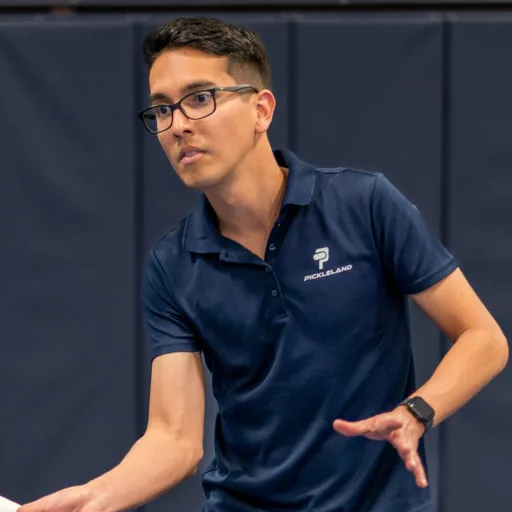
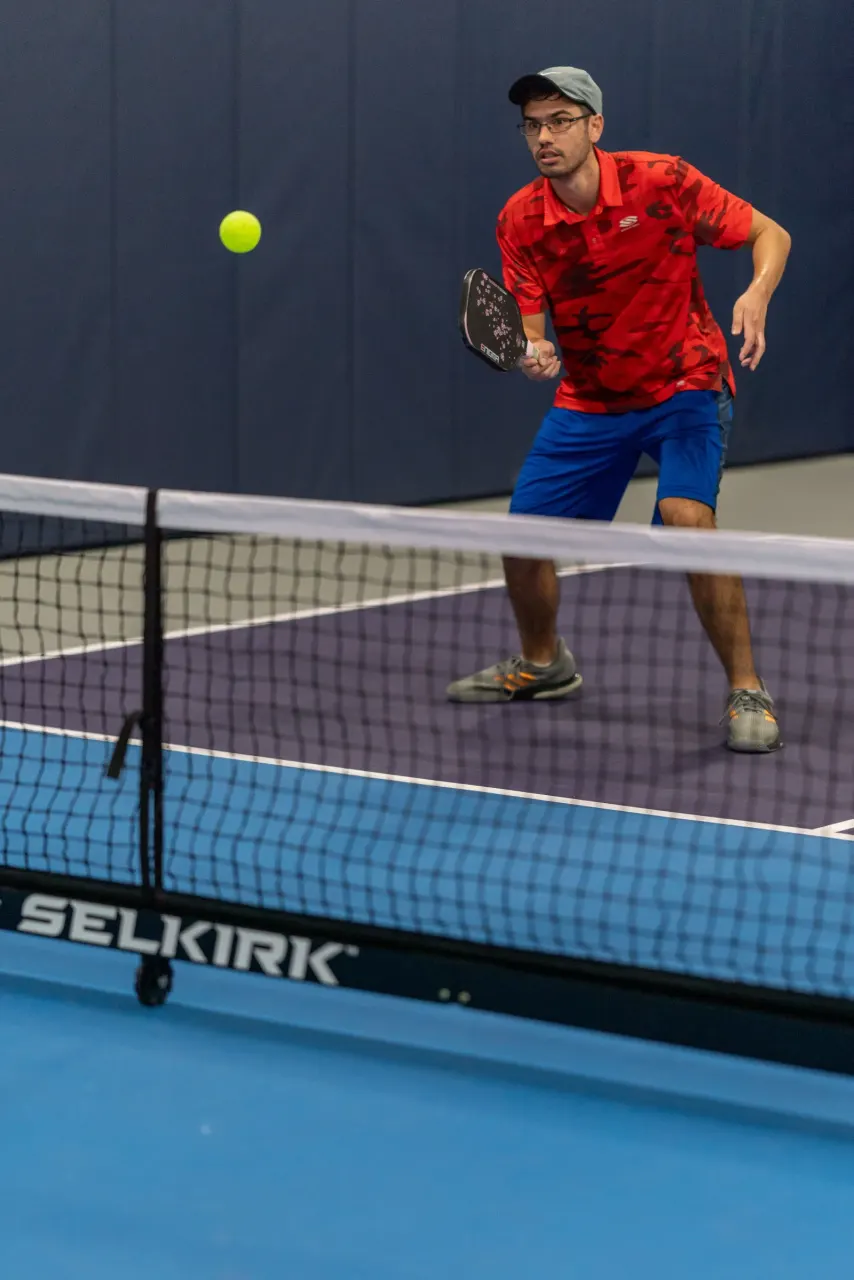
“It doesn’t even feel like exercise.” We hear that line constantly at Pickleland, usually from someone who just played for two hours and is surprised their shirt is soaked. Pickleball has a reputation as a gentle, social, low-stakes game — and it is. But “gentle to learn” and “good cardio” are not opposites. The short answer to the question is yes: for most people, pickleball is genuinely good cardiovascular exercise. The longer answer — how good, for whom, and how to get more out of it — is what this article is about.
What “Good Cardio” Actually Means
Cardiovascular (aerobic) exercise is any activity that raises your heart rate and keeps it elevated long enough to challenge your heart and lungs. Public-health guidelines generally point to about 150 minutes of moderate-intensity activity per week, or 75 minutes of vigorous activity, for meaningful heart-health benefits.
The key word is intensity. Moderate activity gets you breathing harder but still able to talk; vigorous activity leaves you able to say only a few words at a time. Where pickleball lands on that scale depends entirely on how you play — and that’s the most useful thing to understand.
The Two Faces of Pickleball
Pickleball isn’t one workout; it’s a spectrum.
- Recreational doubles tends to sit in the light-to-moderate zone. There’s strategy and movement, but also plenty of standing, resetting, and chatting between points. Great for general activity, lower on raw intensity.
- Competitive doubles and singles push into the moderate-to-vigorous zone. Faster rallies, more lateral sprinting, more time on your toes. Singles in particular — one player covering the whole court — can be genuinely demanding.
Both are valuable. The difference matters because it tells you how to dial the workout up or down to hit your goals.
What We See Across 9 Courts
We run 9 indoor courts of open play, leagues, and clinics, and the pattern is consistent: pickleball delivers a real workout through volume and repetition rather than sustained sprinting. A typical open-play session is interval-style — short bursts of quick movement (split-step, lunge, reach, reset) separated by brief recovery between points. That stop-start rhythm is, structurally, a lot like the interval training people pay for in a fitness class.
A few things we notice from watching thousands of sessions:
- Time on court adds up fast. People rarely play “one game.” They play for an hour, two hours, sometimes a full afternoon, because it’s fun. Adherence is the secret ingredient of any cardio program — the best workout is the one you actually keep doing, and pickleball is sticky.
- Footwork is the real engine. The cardio isn’t in the swing; it’s in the constant repositioning. Players who move their feet to every ball get a noticeably bigger workout than players who reach and lean.
- Intensity is self-selecting. Put two competitive players on a court and the heart rates climb. Put four social players on a court and it’s lighter. The same facility produces both.
If you want to nerd out on the numbers, we’ve broken down how many calories you burn playing pickleball in a separate guide.
The Heart-Health Case for Pickleball
Beyond calorie burn, the steady aerobic stimulus of regular play supports the things cardio is supposed to support: a stronger heart, better circulation, improved stamina, and healthier blood pressure over time. Because the intensity is interval-style, you also get brief spikes that challenge your cardiovascular system more than a flat, steady walk would.
There’s a second, underrated benefit: consistency. Cardio only works if it’s regular, and pickleball’s social pull makes it regular. When your friends expect you on the court Tuesday night, you show up — and that reliability does more for your heart over a year than any single intense session. We cover the broader health benefits of playing pickleball in more depth if you want the full picture.
It’s Joint-Friendly Cardio
Compared to running, pickleball is lower-impact. The court is small, so you’re not pounding out miles, and the movements are multi-directional rather than repetitive. For people who find running hard on their knees or who are easing back into fitness, that’s a big deal — you get aerobic benefit without the same joint load. (As with any sport, warming up and using good footwork reduces injury risk.)
How to Turn Pickleball Into a Better Cardio Workout
If your goal is fitness, not just fun, here’s how to push the intensity:
- Play more singles. Covering the whole court yourself roughly doubles the movement demand of doubles. Even a few singles games mixed into a session raises the average intensity.
- Move your feet to every ball. Resist the temptation to lean and reach. A proper split-step and recovery step between shots is where the cardio lives.
- Shorten your rest. Serve promptly, retrieve balls quickly, and keep games moving. Less standing around means more time with your heart rate up.
- Stack your sessions. Two-plus hours of play, or back-to-back games, builds aerobic endurance. Climate-controlled indoor courts make longer sessions comfortable even in the Texas summer.
- Add a warm-up. A quick dynamic warm-up primes you to move harder, sooner — and helps you avoid the injuries that derail a routine.
Who Gets the Most Cardio Benefit?
Honestly, beginners and returning exercisers often get the biggest cardio bump, because almost any activity raises the heart rate of someone coming off the couch. Pickleball’s low skill barrier means they can start playing immediately rather than spending weeks learning before they break a sweat.
Seasoned athletes can still get a strong workout, but they’ll need to seek out competitive games and singles to keep the intensity high. The good news: both groups can find their level on the same courts, often in the same session.
People returning from injury or a long layoff also benefit from how controllable the intensity is. You can start with relaxed social doubles, get your heart and joints reacclimated, and gradually add singles and faster games as your conditioning returns — all without ever leaving the sport. That on-ramp is hard to find in activities like running, where the impact is the same on day one as it is on day one hundred. With pickleball, you grow into the intensity at your own pace, which is exactly what makes it sustainable.
What About Heart Rate Numbers?
People often want a single number, but the honest answer is that it varies enormously by player and style of play. Rather than chase an exact figure, use the talk test on court: if you can chat comfortably between points, you’re in the light-to-moderate zone; if you’re catching your breath and can only get a few words out, you’ve pushed into the vigorous range. Tracking how often you hit that breathless zone over a session tells you more about your cardio than any single average heart-rate readout — and it’s a cue you can adjust in real time by choosing harder games.
Make It a Habit at Pickleland
The hardest part of cardio is consistency, and that’s exactly where an indoor club helps. At Pickleland in Pflugerville, you get 9 climate-controlled courts, organized open play, and a built-in community that keeps you coming back — open Mon–Fri 8am–10pm and Sat–Sun 8am–8pm so it’s easy to fit play around your schedule. If you play more than a couple times a month, a membership quickly pays for itself with unlimited open play and free mini-tournaments. Become a member or book a court and turn “good cardio” into a routine you actually look forward to.
Frequently Asked Questions (FAQs)
Is pickleball good cardio for weight loss?
It can be. Pickleball burns calories through interval-style movement, and because it’s fun, people play longer and more often — which is what actually drives results. To maximize the effect, play competitive doubles or singles, keep games moving with short rests, and aim for longer or more frequent sessions.
Is pickleball enough exercise on its own?
For many people, regular pickleball can cover a large share of the recommended 150 minutes of weekly moderate activity, especially if you play a few times a week and keep the intensity up. Pairing it with some strength training and mobility work makes for a well-rounded routine, but pickleball alone is a strong aerobic foundation.
Does pickleball raise your heart rate enough to count as cardio?
Yes, particularly during competitive play and singles. The stop-start nature of points produces interval-style heart-rate spikes, and a full session keeps your heart elevated over time. Recreational doubles is lighter but still counts as activity; play harder and move more to push into the vigorous zone.
Is pickleball good cardio for seniors?
It’s one of the best options. Pickleball is lower-impact than running, easy to learn, and easy to scale to your fitness level, which makes it popular and effective for older adults. We cover this in detail in our guide to pickleball for seniors.
How often should I play pickleball for cardio benefits?
Aiming for three or more sessions per week is a solid target for cardiovascular health, especially if some of that play is at moderate-to-vigorous intensity. Consistency matters most — a regular schedule beats occasional marathon sessions, and an indoor club makes year-round consistency realistic.