
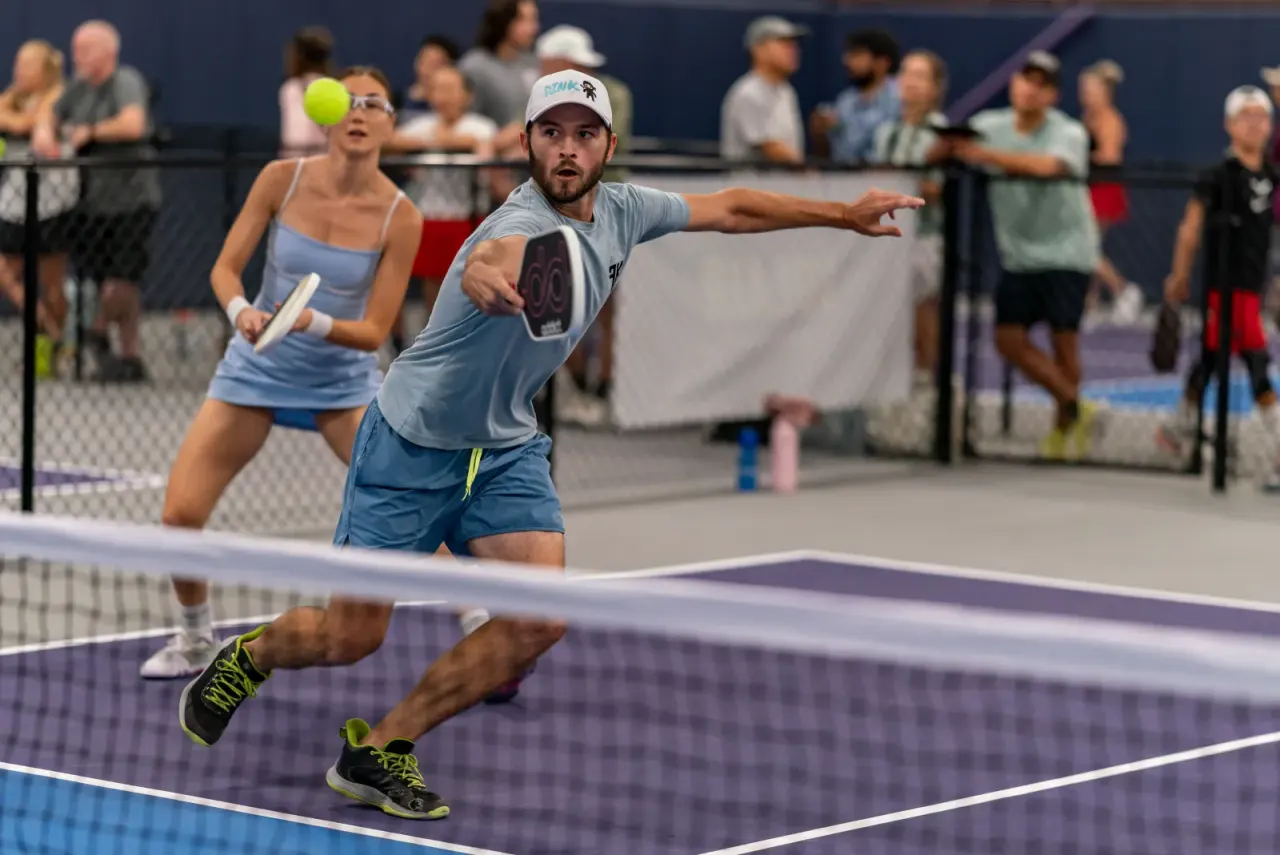
Pickleball is an exciting and fast-paced game that requires more than just quick reflexes and solid racket skills. If you want to perform at your best and avoid injuries, cross-training is key.
Cross-training involves mixing in other sports and activities to build up different muscles, improve endurance, and enhance your overall athleticism. Below, we break down why pickleball players benefit from cross-training and the best complementary sports and activities to add to your routine.
Why Cross-Training Matters for Pickleball Players
You probably practice pickleball strokes, footwork, and strategy. That’s important but sticking to pickleball only might cause muscle imbalances, burnout, and injury.
Cross-training works for numerous muscle groups, improves endurance, and calms your mind. It can also boost your speed, strength, and agility, improving your court play.
Boosting Flexibility and Agility
Flexibility and agility are essential for pickleball. Quick movements and reactions are part of the game, so improving them can help you win.
Cross-training keeps muscles flexible and responsive, allowing faster, smoother movement during games.
Increasing Stamina and Endurance
Pickleball games can be short and intense or last multiple games. You’ll need cardio to last through longer matches.
Training with other sports that help develop stamina will let you keep up the pace and finish strong.
Promoting Recovery and Reducing Injury Risk
The repetitive actions of pickleball can strain your muscles. Cross-training lets you rest from repeated actions while staying active.
Changing activities prevents overworking certain muscle groups, reducing injury risk and speeding recovery.
Top Cross-Training Activities for Pickleball Players
Here are some of the most effective cross-training options that will complement your pickleball game and help you improve.
1. Running and Cycling for Endurance
Physical activity like running and cycling improves cardiovascular health, which enhances pickleball endurance. Include both of these in your weekly practice, and you’ll get huge benefits from them.
Running, especially interval running (alternating sprints and slower jogging), increases stamina and helps pickleball players move quickly. Uphill cycling improves your legs and lungs, giving you stamina for longer games.
Leg strength is especially developed through cycling. Pickleball requires strong legs for fast footwork and lateral motions to get into position and return shots.
Cycling can be done outdoors or on a stationary cycle at home or the gym. Running can be done in your neighborhood, park, or on a treadmill.
2. Swimming for Muscle Recovery and Full-Body Strength
Swimming is an easy-on-joint full-body workout that’s great for recovery. By keeping you moving without putting as much stress on your body as running or lifting weights, it reinforces muscles and improves heart health.
The best thing about swimming is that it doesn’t hurt you. In other words, you work out your whole body without putting stress on your joints.
This is very good for pickleball players who play on hard courts a lot.
From your legs to your arms and even your core, swimming works all of your major muscle groups. It boosts endurance, strength, and lung capacity, making hard pickleball bouts simpler.
Swimming is a good pickleball recovery activity. The natural resistance of the water helps loosen up tight muscles, which makes them less sore and speeds up recovery between games.
3. Strength Training for Powerful Shots and Quick Movements
Strength training can help you play better pickleball by giving you the speed and power you need for strong shots and quick returns. You can get stronger in the upper body with exercises like bench presses, shoulder presses, and dumbbell rows.
The stronger your arms, shoulders, and back, the harder you can swing, boosting game control and power.
Legs matter as much as arms in pickleball. Doing strength training routines like squats, lunges, and deadlifts will help you move faster and with more force on the court.
In pickleball, you need to be able to move your feet quickly, and having strong legs will help you cover the floor better.
Pay attention to the right way to do things when you add strength training to your cross-training routine to avoid getting injured.
To make sure you’re doing each exercise right, you might want to work with a teacher or watch online videos. This is a safe way to get stronger and see steady gains in your game.
4. Yoga and Pilates for Flexibility and Balance
If you want to improve your flexibility, balance, and focus, yoga and pilates are great options. These activities can help you become more agile on the court while also improving your mental clarity.
Flexibility is important in pickleball when reaching for shots or twisting your body into different positions. Yoga helps improve your range of motion and keeps your muscles flexible, reducing your risk of injury.
Both yoga and pilates focus on building core strength. A strong core helps you stay balanced and stable during matches, improving your footwork and overall control on the court.
Another great benefit of yoga is its focus on mental relaxation and clarity. Staying calm and focused can be the difference between a win and a loss in close matches.
5. High-Intensity Interval Training (HIIT) for Speed and Agility
High-intensity interval training (HIIT) is perfect for improving agility and quickness, two skills that are essential for success in pickleball. In HIIT, you switch between short periods of intense exercise and rest.
HIIT closely mimics the stop-and-go nature of pickleball. In pickleball, you often need to sprint to the ball, then stop and quickly change direction.
This trains your body to make these quick movements efficiently, helping you react faster and stay sharp.
HIIT exercises like jump squats, burpees, and mountain climbers improve your agility and speed, both of which are key in pickleball.
These exercises also help you build muscle and improve cardiovascular endurance.
How to Implement Your Cross-Training Plan
Cross-training can elevate your pickleball performance if done thoughtfully. Follow these steps to build a plan that suits your fitness needs and goals.
1. Assess Your Current Fitness Level
Knowing your current fitness level is crucial before starting cross-training. Reflect on your pickleball performance.
Do you tire easily or is flexibility an issue? Which cross-training exercises are best depends on endurance, strength, and flexibility.
Basic fitness evaluations include testing your stamina with a short run or lifting a comfortable weight. This will help you start and shape your plan.
2. Set Clear and Achievable Goals
Now that you know where to start, create goals. Be clear and practical about your cross-training goals.
For instance, you could run or cycle a specific distance in a set period to build endurance. Set weightlifting or bodyweight workout goals to increase strength.
Your pickleball goals should match your objectives and should motivate you.
Improve your endurance and dominate your matches—sign up for our membership today!
3. Plan Your Weekly Schedule
Staying consistent with cross-training is easier with a weekly schedule. Choose how many days a week you can commit to these activities without affecting your pickleball.
A healthy balance is two to three sessions per week. You may do strength training one day and cardio the next. You can also do yoga or other healing exercises.
Make sure the schedule is manageable to avoid burnout.
4. Mix High-Intensity and Low-Intensity Activities
Your strategy must include high- and low-intensity exercises. Interval training and sprints build stamina and speed.
These improve agility and speed on the pickleball court. Swimming and yoga are low-intensity workouts that provide flexibility and recovery without straining your body.
Mixing these workouts covers all fitness levels without overworking any muscle groups.
5. Focus on Recovery and Rest
Incorporate rest and recovery into your cross-training routine. Rest days help muscles repair and rebuild, preventing injuries.
To assist your body in recuperating while still being active, try stretching or walking. Recovery also requires restful sleep, so get plenty each night to feel refreshed and prepared for the next workout.
Care for your body between sessions to stay strong for pickleball and cross-training.
6. Track Your Progress and Adjust
Monitor your cross-training progress. Are you seeing game improvements?
Do you feel stronger or faster on the court? Keeping track of your fitness progress will help you identify areas for improvement.
Use a fitness tracker or take notes after each workout. If something isn’t working, change your plan by resting or switching activities.
Start Cross-Training Today!
Cross-training is an essential part of becoming a better pickleball player. Incorporating activities into your routine will improve your body.
These exercises complement your game help prevent injuries and keep you playing your best. With the right cross-training plan, you’ll take your pickleball skills to the next level and enjoy the game for years to come.
Want to learn more about pickleball? Sign up for membership now and explore our other blogs for more info:
- Can You Play Pickleball While Pregnant?
- Top Pickleball Drills For Kids: Boost Game Skills With Enjoyment
- How To Get Better At Pickleball? The Ultimate Improvement Guide
Frequently Asked Questions (FAQs)
1. How often should I cross-train while playing pickleball?
Ideally, pickleball players should aim to cross-train two to three times per week. This allows enough time for your body to recover while still improving key fitness components such as strength, flexibility, and endurance without overtraining.
2. How do I know if my cross-training plan is working?
Track your progress by monitoring improvements in your pickleball performance, such as enhanced stamina, quicker reactions, or reduced soreness after matches. You can also use fitness trackers or journals to record your workouts and evaluate your progress over time, making adjustments to your plan as needed.