

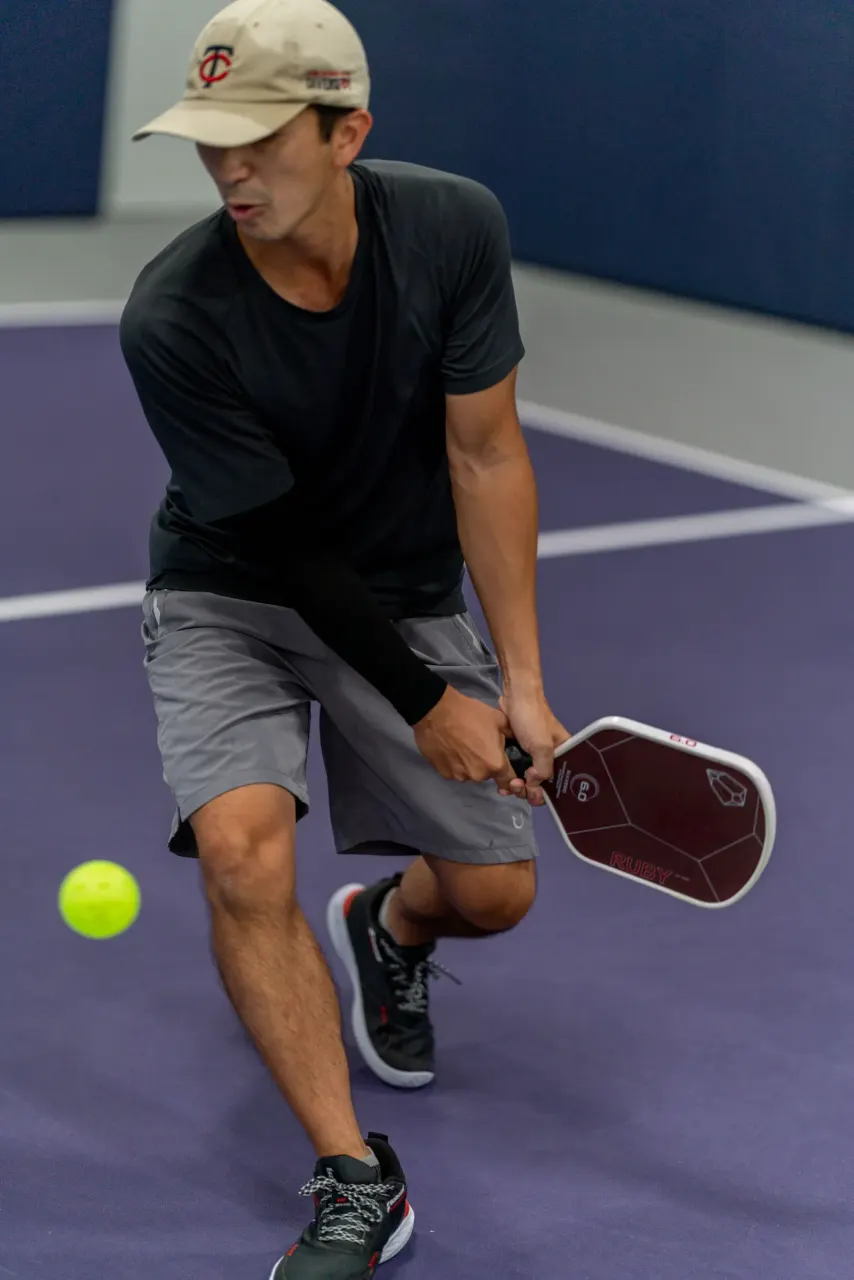
You can feel it the moment a better player steps onto the court: cleaner serves, softer dinks, and a calm that turns chaotic rallies into winning points. Getting there isn’t about raw athleticism. It’s about understanding the game’s core principles and drilling them until they become second nature.
Whether you just picked up a paddle or you’re chasing your next rating bump, this guide breaks down the exact skills, strategies, and habits that separate good players from great ones, so you can start winning more matches no matter where you’re starting from.
Mastering the Basics
Here are the basics of pickleball that you should know about.
Rules and Scoring
Before learning advanced methods, you must understand pickleball’s basic rules and scoring system. Though doubles are the norm, individual matches are often popular.
Each game is 11 points, and a team must win by two. Only the serving team scores points.
You must understand the game’s timing and scenarios. Know the regulations to avoid errors that cost points in a match.
Proper Stance and Grip
How you stand and hold your paddle affects your performance. A good posture gives you:
- Power
- Agility
- Balance
Respond swiftly to the ball by bending your knees and standing on your toes. Continental and eastern grips are the most popular in pickleball.
The continental grip is adaptable and improves volley control, while the eastern grip boosts forehand power. Try both to find which suits your playstyle.
Perfecting the Serve
As the only moment you have full control over the ball, the serve is crucial to pickleball. A good, steady serve might give you an early advantage.
Target the opponent’s back third with an accurate, deep serve. To confuse your opponents, practice forehand and spin serves. You must practice your serve until it becomes natural.
Improving Your Technique
Here are some techniques you can master to improve your game.
Forehand and Backhand Strokes
Your pickleball game relies on your forehand and backhand. A good technique lets you return the ball strongly and accurately.
For the forehand, stand sideways to the net and swing smoothly. Backhands are harder but equally important.
After hitting the ball, continue through to maintain control. Avoid bad habits like swinging too forcefully or without watching the ball.
Dink Shot
Soft dink shots drop just beyond the net in your opponent’s non-volley zone (kitchen). This shot might force your opponent to hit the ball upward, giving you game control.
Touch and precision are needed for dink shots. Instead of slamming the ball over the net, gently push it.
Dinking takes time and practice, but professional pickleball players need it.
Volley Skills
Mastering volley’s fast net exchanges can boost your game. Always having your paddle ready is important to volleys.
Volleys are hit before the ball bounces, so you must act swiftly. Try soft volleys to keep the point, but use aggressive ones to pressure your opponents.
Strong volleyplay requires consistency and reflexes.
Strategic Play
Knowing where to position yourself and how to anticipate your opponent’s moves can make all the difference.
Court Positioning and Movement
Your court position can make or break your game. Serving from near the baseline lets you cover more territory and prepare for your opponent’s response.
Move closer to the net once the rally starts, as this usually gives you the advantage. Make smooth, purposeful movements instead of sprinting around the court, position yourself to intercept and shoot the ball.
Anticipating Your Opponent’s Moves
Pickleball is about outwitting your opponent, not just hitting the ball. Observe your opponent’s posture, shot choice, and body language.
Anticipating their actions helps you position and respond quickly. You can change your posture for cross-court shots if your opponent often uses them.
Effective Communication in Doubles Play
Communication is important in doubles. Coordinating your motions helps you cover the court.
Pre-match planning should include who will cover the middle or handle particular shots. Avoid confusion by saying “mine” or “yours” during the game.
Improved communication and teamwork could enhance your pickleball game and court performance.
Physical and Mental Preparation
Staying fit and focused helps you handle the demands of the game effectively.
Building Endurance and Stamina
Pickleball requires less stamina than soccer, but it’s still important for sustained performance. Regular exercise builds endurance like:
- Jogging
- Cycling
- Swimming
Improve fitness and prevent injuries with strength training. Better fitness helps you compete better in long bouts.
Mental Toughness and Focus
In close matches, pickleball requires mental fortitude. Maintaining performance under duress requires focus and mental resilience.
Deep breathing, visualization, and mindfulness can reduce game-related stress. Try not to get frustrated by mistakes.
Learn to dismiss them swiftly and move on. Positive thinking typically decides close matches.
Advanced Tips and Tricks
Advanced tips and tricks can give you an edge over your pickleball opponents. These techniques help you refine your game and add new strategies to your play.
Incorporating Spin into Your Shots
Adding spin to your shots can make it more difficult for your opponents to return. Topspin causes the ball to dip quickly, making it harder to predict and return.
Backspin, on the other hand, causes the ball to float and stay low, which can disrupt your opponent’s rhythm. To apply spin, use a brushing motion with your paddle as you hit the ball.
Practicing spin shots can add an extra layer of complexity to your game, making you more unpredictable.
Advanced Serving Techniques
Once you’ve mastered the basic serve, it’s time to experiment with advanced serving techniques. The drop serve is a great way to catch your opponent off guard by making them rush toward the ball.
The lob serve, which sends the ball high and deep into the opponent’s court, can push your opponent back and disrupt their positioning.
Varying your serves keeps your opponents guessing and helps you gain control of the game early on.
Countering Aggressive Players
Playing against aggressive opponents can be challenging, but with the right strategy, you can turn the game in your favor. When facing a hard-hitting player, focus on staying calm and keeping the ball in play.
Use dink shots and drop shots to slow down the pace and force them into uncomfortable positions. By controlling the tempo, you can frustrate aggressive players and capitalize on their mistakes.
Practice and Continuous Learning
These habits ensure steady progress and help you master new skills over time.
Importance of Consistent Practice
Like any sport, pickleball requires consistent practice to improve. Regularly working on your skills, whether through drills or actual matches, will help you refine your technique and build muscle memory.
Dedicate time to practicing specific areas of your game, such as serving, dinking, or volleys. The more you practice, the more confident you’ll feel on the court.
Learning from Others
Watching professional pickleball players can be a valuable learning experience. Pay attention to their:
- Techniques
- Strategies
- Court positioning
- Teamwork
You can also learn from fellow players by participating in clinics, workshops, or even just friendly matches. Observing and learning from others allows you to pick up new strategies and refine your skills.
Level Up Your Pickleball Game Today!
Improving at pickleball takes time, dedication, and consistent effort. By following this guide you can transform your game to the next level.
Remember to practice regularly, stay focused, and enjoy the process of getting better. With persistence and the right approach, you’ll see steady improvement in your pickleball skills and start winning more matches.
Looking to enhance your pickleball skills and find more tips? Explore our membership options for in-depth training. You can also check out our other blogs for additional info:
- Top Pickleball Drills For Kids: Boost Game Skills With Enjoyment
- How To Be A Better Pickleball Teammate?
- How To Prepare For Your First Pickleball Tournament?
FAQs
1. How often should I practice to improve my pickleball skills?
To see consistent improvement, it’s recommended to practice at least 2-3 times a week. Regular practice helps build muscle memory, enhances your techniques, and improves your overall game strategy.
2. What are some common mistakes beginners make in pickleball?
Beginners often struggle with improper stance, overhitting the ball, and poor court positioning. Focusing on mastering the basics, such as grip and footwork, can help avoid these common errors.
3. How can I improve my mental toughness during matches?
Mental toughness can be developed through techniques like deep breathing, staying focused on the present point, and maintaining a positive mindset. Regularly practicing under pressure situations can also help you calm during a tough game.